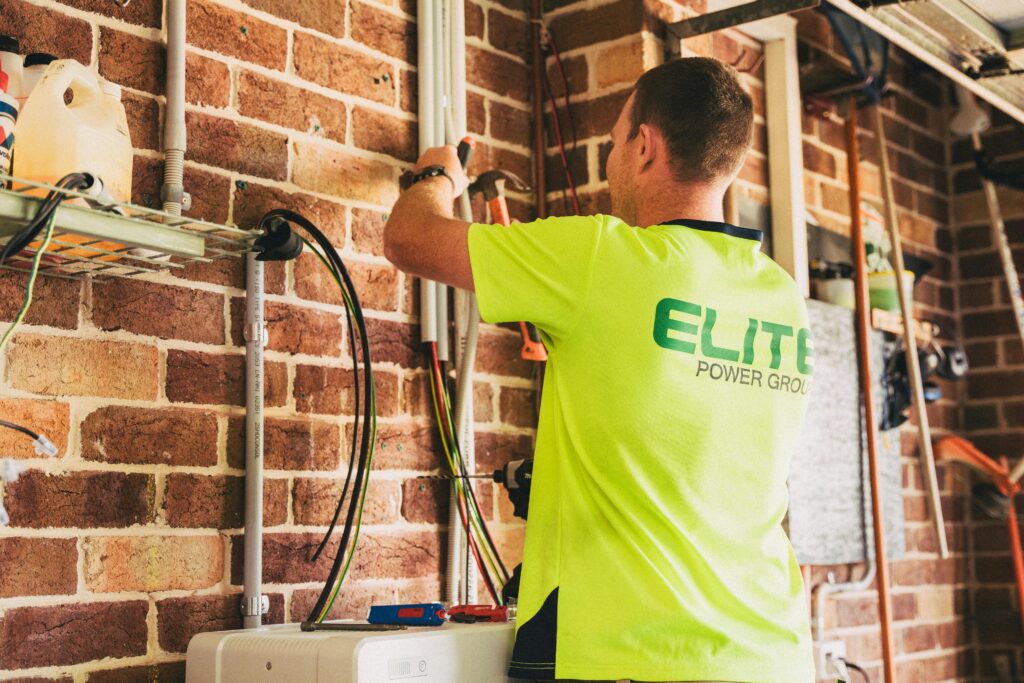
Introduction to Home Electricity
Electricity is a form of energy that is produced by the movement of electrons through conductors. It is a fundamental part of modern life, serving as the backbone for much of our technology and daily activities. In homes, electricity powers essential appliances, lighting, heating systems, and various electronic devices, underscoring its significance in providing comfort, convenience, and safety.
The use of electricity in residences dates back to the late 19th century when Thomas Edison introduced the practical electric light bulb and developed the first electrical grid systems. This marked the beginning of widespread electric usage. Over the years, advancements in electrical engineering have transformed residential electrical systems, enabling households to enjoy an ever-increasing range of electrical devices and systems. Today, most homes are equipped with a complex network of circuits that supply power safely and efficiently.
Electricity is generated through various methods, including fossil fuels, nuclear power, and renewable sources such as wind, solar, and hydroelectric energy. This generated electricity is transmitted via power lines to substations, where it is transformed to a lower voltage suitable for household use. When it reaches homes, it powers various systems, from outlets for personal devices to larger systems that heat or cool living spaces.
Understanding how electricity works within a home not only helps residents appreciate its importance but also emphasizes the need for safe electrical practices and maintenance. With the evolution of smart home technologies, the way we interact with electricity continues to develop, offering increased control and efficiency in energy consumption. As we delve deeper into the topic, we will explore how these systems work, their components, and ways to ensure safe and efficient use of electricity in residential settings.
The Basics of Electrical Circuits
Electrical circuits are the fundamental building blocks of electrical systems, playing a crucial role in how electricity is distributed and utilized in homes. At their core, a circuit is a closed loop that allows electric current to flow, consisting of various components such as power sources, conductors, and loads. Understanding the concepts of voltage, current, and resistance is essential for grasping how these circuits function.
Voltage, measured in volts (V), is the electrical potential difference that drives the flow of current through a circuit. It can be thought of as the pressure that pushes electrons through a conductor. In a circuit powered by a battery, for example, the voltage is provided by the chemical reactions occurring within the battery, allowing electrical energy to travel to the connected devices.
Current, quantified in amperes (A), refers to the flow of electric charge within the circuit. It represents how many electrons are passing a certain point in the circuit per unit time. A simple circuit can have components arranged in a series or parallel configuration, which affects the overall current flowing through each part. For example, in a series circuit, the same current flows through every component, while in a parallel circuit, the total current is divided among the paths.
Resistance, measured in ohms (Ω), opposes the flow of current in the circuit. Each component, whether it be a resistor, a light bulb, or a wire, imparts a certain amount of resistance. According to Ohm’s Law, the relationship between voltage, current, and resistance can be expressed as V = I × R, where V is voltage, I is current, and R is resistance. This relationship is pivotal in determining how electricity travels through various components, providing a clearer understanding of how electrical circuits operate.
Components of Home Electrical Systems
The home electrical system encompasses a variety of crucial components that work in tandem to provide power throughout the residence. Understanding these components is essential for homeowners to maintain safety and efficiency in their electrical usage.
At the heart of the electrical system is the electrical panel, also known as the breaker box. This panel acts as the central distribution point for electricity from the utility company, breaking the incoming power into individual circuits. Each circuit is regulated by circuit breakers, which can automatically shut off the flow of electricity in case of an overload or short circuit, thus providing essential protection for both the wiring and the electrical devices connected to it.
Next, the wiring in a home carries the electrical current from the panel to various points throughout the house. Typically made of copper or aluminum, the wires are insulated to prevent loss of energy and ensure safety. The design and gauge of the wiring are crucial, as they determine the amount of current that can safely flow through them.
Furthermore, outlets play a significant role by providing access points where appliances and devices can be plugged in. These come in various types, including standard, GFCI (Ground Fault Circuit Interrupter), and AFCI (Arc Fault Circuit Interrupter), each designed for specific applications to enhance safety.
In addition to outlets, switches control the flow of electricity to lighting fixtures and other devices. They allow homeowners to turn lights on and off conveniently, contributing to both functionality and energy savings. Finally, fixtures such as ceiling lights, wall sconces, and chandeliers form an integral part of the electrical system, as they house the bulbs and provide illumination within spaces.
Understanding the components of a home’s electrical system not only enhances the inhabitants’ safety but also aids in recognizing the importance of proper maintenance and upgrades when necessary.
How Electricity is Delivered to Your Home
Electricity delivery to residential homes involves a complex system that starts at power plants and ends at your home’s electrical panel. The journey of electricity typically begins with the generation of power at large facilities, where various energy sources such as fossil fuels, nuclear, or renewable resources are converted into electrical energy. Once generated, this electricity is transmitted through high-voltage transmission lines that are strategically positioned to minimize energy loss over long distances.
The high voltage is essential as it allows the electricity to travel efficiently from the power plants to substations without significant power loss. At substations, the voltage is decreased through the use of transformers. These transformers play a crucial role in reducing the voltage to a safe and usable level for residential consumption. Additionally, substations also help regulate the supply of electricity to local grids, ensuring that homes receive a consistent flow of energy.
After the voltage is lowered, electricity then travels from the substations into local distribution networks that are often called local grids. These grids consist of a network of distribution lines, which further break down the voltage into levels suitable for residential usage. As the electricity progresses through these distribution lines, it is routed to neighborhoods, where it ultimately enters individual homes. Each household has its own electrical meter that monitors the consumption of electricity, ensuring that residents are billed for the exact amount of energy they use.The entire process, from generation to delivery, illustrates the intricate system that supports our daily reliance on electrical energy, providing power for lighting, appliances, and other essential household needs.
Understanding Electrical Safety
Ensuring electrical safety in your home is paramount, particularly because of the significant risks associated with electricity. Grounding is a critical component of electrical safety. It involves connecting electrical circuits to the ground, reducing the risk of electric shocks if faulty equipment is used. Grounding provides a safe path for excess electricity to dissipate, protecting both individuals and home appliances.
Another essential aspect of residential electrical safety is the use of Ground Fault Circuit Interrupter (GFCI) outlets. These outlets are designed to protect individuals from electric shock by monitoring the current flowing through a circuit. If an imbalance is detected, indicating a leak of electrical current—potentially due to water exposure or faulty wiring—the GFCI outlet will shut off the power almost instantaneously. Installing GFCI outlets in areas prone to moisture, such as kitchens, bathrooms, and outdoor spaces, can dramatically reduce the risk of electrocution.
Additionally, understanding the importance of circuit breakers is crucial. Circuit breakers are safety devices that interrupt the flow of electricity when the current exceeds safe levels. They serve to protect your home from electrical fires and appliance damage due to overloads. Regular inspection and timely replacement of circuit breakers, as needed, can help maintain a safe electrical system in your home.
Common hazards associated with electricity include frayed wires, overloaded outlets, and using extension cords as permanent wiring solutions. Homeowners should be vigilant in identifying these risks and managing them appropriately. Ensuring that cables are in good condition, avoiding the plugging of multiple high-wattage devices into a single outlet, and using extension cords only temporarily can significantly reduce hazards. By implementing these electrical safety measures, one can create a safer living environment that minimizes the potential for electrical accidents.
Energy Consumption and Metering
Understanding energy consumption in residential settings begins with electric metering, which measures how much electricity is used over a given period. This measurement is crucial for determining energy bills, as households are charged based on their total electricity use measured in kilowatt-hours (kWh). A kilowatt-hour represents the amount of energy consumed when a 1,000-watt appliance runs for one hour. For instance, if a household uses a 100-watt light bulb for ten hours, that would equate to 1 kWh of energy consumed.
Electric meters come in various forms, including analog and digital types. Analog meters display energy consumption through a series of dials, while digital meters provide a simple readout of the kilowatt-hours consumed. Many modern meters also have the capability to remotely transmit usage data to utility companies, facilitating accurate billing and monitoring. This innovation is paving the way for smarter energy consumption management as homeowners are given insights into their energy usage patterns.
Typically, on a monthly bill, you will see your total kWh used along with the cost per kWh. This rate can fluctuate based on various factors, including time of use. Understanding these charges is vital for managing energy costs effectively. Moreover, many homeowners are encouraged to monitor their electricity consumption closely, as reducing usage not only leads to lower bills but also contributes positively to environmental sustainability by minimizing overall energy demand.
Being aware of how energy consumption is measured through electric metering helps demystify the billing process and empowers homeowners to make informed decisions about their electricity usage, potentially leading to significant savings and energy efficiency improvements in the long run.
Smart Home Electricity Management
The advent of technology has significantly transformed how homeowners manage electricity consumption. One of the leading innovations in this domain is the introduction of smart meters. These devices connect to the electricity grid and provide real-time data on usage patterns. This data empowers residents to make informed decisions about their energy consumption, allowing for more efficient usage. With the ability to monitor energy use in real time, homeowners can identify high consumption periods and adjust their behaviors accordingly, ultimately leading to reduced utility bills.
In addition to smart meters, energy management systems have emerged as a pivotal tool in optimizing home electricity management. These systems facilitate the tracking and controlling of electrical appliances throughout the home. By integrating smart home devices through wireless networks, energy management systems can automate processes such as adjusting thermostat settings based on occupancy or scheduling appliances to run during off-peak hours. This not only enhances comfort but also promotes energy conservation.
Furthermore, the rise of smart appliances has added another layer to home electricity management. These appliances are designed to utilize energy more efficiently compared to traditional counterparts. For example, smart refrigerators and washing machines can connect to the internet, allowing users to monitor their performance and adjust settings remotely. Some appliances even offer notifications about maintenance needs or energy usage trends, providing further opportunities for the homeowner to optimize their energy input.
Ultimately, the integration of smart technology in managing home electricity consumption fosters a more sustainable and cost-effective living environment. By leveraging smart meters, energy management systems, and smart appliances, homeowners can significantly reduce energy wastage while increasing convenience and efficiency in their daily lives.
Troubleshooting Common Electrical Issues
Understanding how electricity works in your home can help you identify and troubleshoot common electrical problems effectively. One of the most frequent issues homeowners encounter is a tripped circuit breaker. This situation usually occurs when the electrical load exceeds the limit of the circuit. To address this, first, locate your breaker panel and identify the tripped breaker, which will often be in the ‘off’ position. Resetting the breaker by flipping it back to the ‘on’ position may resolve the issue; however, if it trips again, it could indicate an underlying problem, such as a short circuit or overloaded circuit, requiring professional assistance.
Another common issue is flickering lights, which might seem minor but can indicate serious problems. Flickering often occurs due to loose wiring, a faulty bulb, or a dimmer switch that is incompatible with the light setup. Begin by replacing the light bulb; if the flickering persists, check the light fixture’s connections. Ensuring the wiring is secure can mitigate these effects. If necessary, consult an electrician to inspect the circuit for deeper issues, such as voltage fluctuations.
Dead outlets are another frustrating electrical issue. If an outlet is not functioning, it might be due to a tripped breaker, a blown fuse, or simply a faulty outlet. Start troubleshooting by testing the outlet with a different device to rule out appliance issues. If the outlet remains dead, check the nearby breakers for tripped circuits. If these steps do not resolve the issue, consider replacing the outlet or calling a qualified electrician for thorough diagnostics.
By addressing these common electrical problems proactively, you can ensure your home remains safe and your electrical systems function smoothly. Always prioritize safety and consult with professionals when necessary to maintain a secure electrical environment.
Conclusion and Future of Home Electricity
Understanding how electricity functions within our homes is essential for ensuring safety, efficiency, and comfort. Throughout this discussion, we have explored various aspects of home electricity, including how it is generated, distributed, and consumed. We have discussed the significance of maintaining electrical systems and the role that innovations play in improving our everyday energy use.
As we look ahead, the future of home electricity appears to be heading towards sustainability and advanced technologies. One of the most noteworthy trends is the rise of renewable energy sources, such as solar and wind power. Homeowners are increasingly investing in solar panels and wind turbines, which provide cleaner alternatives to traditional electricity generation methods. This transition not only reduces dependence on fossil fuels but also contributes to a reduction in greenhouse gas emissions, significantly benefiting the environment.
Additionally, advancements in energy storage technology are becoming critical in managing home electricity. Innovations like battery storage systems allow homeowners to store excess energy generated during the day for use at night, enhancing the overall efficiency of home energy consumption. Smart home technology is also gaining traction, with intelligent devices allowing for greater control over electrical usage, leading to improved energy efficiency and cost savings.
Moreover, government policies and incentives are likely to further promote the adoption of renewable energy solutions and enhance technological advancements. As a result, it is crucial for homeowners to stay informed about these trends, which can transform how energy is used and managed in residences. Overall, the ongoing evolution of electricity in our homes suggests a brighter, more sustainable future, where energy is utilized more effectively and responsibly.
About the Author