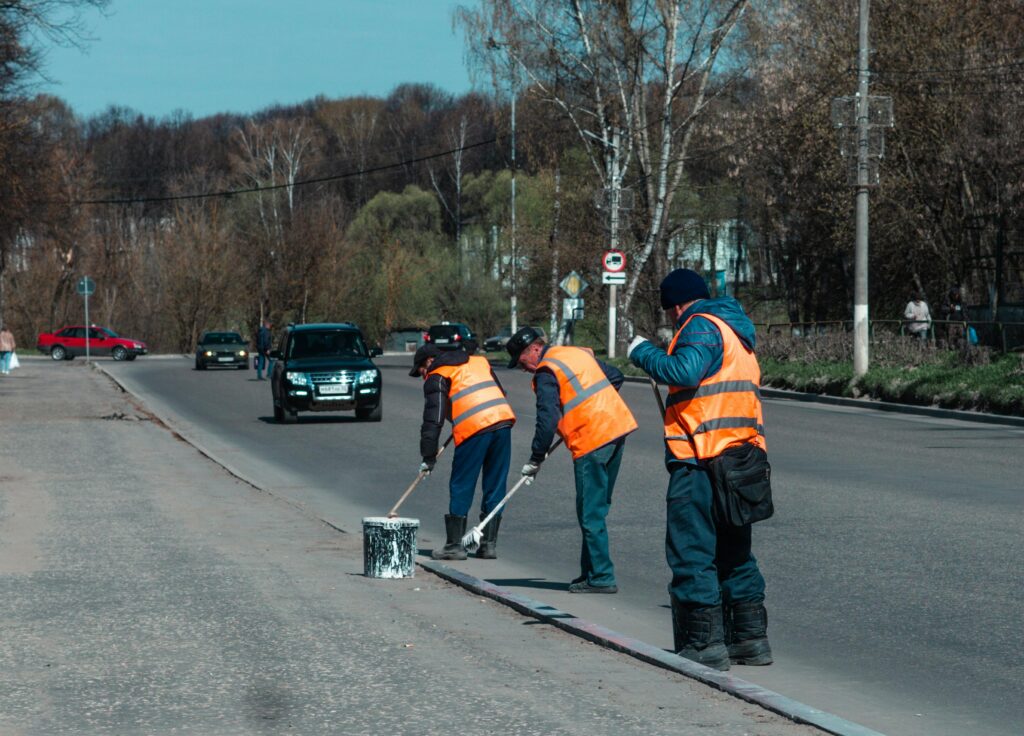
Introduction to European Labour Rights
European labour rights have evolved significantly over the decades, shaped by the demands of a changing workforce and the need for equitable treatment in the workasphalt workersplace. These rights encompass a range of protections afforded to individuals in employment, aimed at upholding fairness, safety, and dignity while at work. At their core, labour rights in Europe serve to safeguard employees from exploitation and discrimination, ensuring that every worker has a set of minimum standards that promote their well-being and productivity.
The principles that underpin these rights include the right to fair pay, safe working conditions, protection against unjust dismissal, and the fundamental freedoms associated with collective bargaining and trade union participation. The significance of these rights lies not only in their ability to protect workers but also in fostering a stable economic environment conducive to growth and social peace.
The history of labour rights in Europe can be traced back to the industrial revolution when the proliferation of factories exposed workers to poor working conditions and long hours. In response to these challenges, early movements emerged advocating for better rights and reforms. Over the years, significant milestones were achieved, such as the establishment of the European Labour Standards and the creation of varied frameworks aimed at conferring rights such as paid holidays, maternity leave, and work-life balance. By 2026, European labour rights are meticulously outlined within a comprehensive legal framework that reflects the diverse needs of workers across member states.
The current landscape of labour rights in Europe is largely characterized by both EU legislation and individual national laws. The European Union has implemented various directives and regulations to enhance workers’ rights, encompassing areas from anti-discrimination to health and safety at work. This collated framework establishes a robust foundation for protecting workers throughout Europe, making understanding these rights essential for all employees in the region.
Key Changes in Labour Law by 2026
By the year 2026, significant changes have reshaped the landscape of labour law across Europe, reflecting the continent’s evolving socio-economic conditions. One of the most impactful changes has been the reform of working hours regulation. With the advancement of technology and the rise of remote work, many European countries have adopted more flexible working hours that accommodate the needs of both employers and employees. Regulations now promote a better work-life balance, allowing for variations in work schedules while still ensuring adequate rest periods and protections against excessive overtime.
In addition to flexible working hours, adjustments to minimum wage legislation have been implemented across several nations. The European Union has increasingly emphasized the importance of a living wage, establishing frameworks that mandate periodic reviews and adjustments to ensure that minimum wages keep pace with the cost of living. As a result, more workers in diverse sectors find themselves benefiting from enhanced living standards, contributing to overall economic stability.
Furthermore, anti-discrimination protections have been significantly bolstered in various jurisdictions. The incorporation of more stringent measures against discrimination based on gender, race, age, and disability demonstrates a commitment to equality in the workplace. New provisions now not only outline the prohibitions against such discrimination but also establish more robust mechanisms for reporting incidents and seeking redress.
This comprehensive overview of the key changes underscores a decisive shift towards more equitable and sustainable labour practices across Europe. By enhancing working conditions, promoting fair wages, and strengthening protections against discrimination, European labour law is adapting to meet the challenges of the 21st century. These measures reflect a broader societal commitment to ensuring that all workers can benefit from their employment in a respectful and supportive environment.
The Role of the European Union in Labour Rights
The European Union (EU) plays a pivotal role in shaping and maintaining labour rights across its member states. The EU establishes a fundamental framework through a series of laws, directives, and policies aimed at promoting workers’ rights and ensuring a dignified working environment for everyone. Among the key instruments in this framework are the Charter of Fundamental Rights of the European Union, which outlines rights related to work and social security, and various directives that harmonize labour laws across countries.
One significant directive is the Working Time Directive, which regulates working hours and ensures that employees benefit from adequate rest periods and paid annual leave. This is complemented by the European Framework Agreement on Telework, which highlights the rights and responsibilities of remote workers—an increasingly relevant topic in today’s digital economy. Additionally, the EU undertakes efforts to combat discrimination in the workplace through directives that protect workers on grounds of gender, race, age, and disability.
Enforcement of these laws falls under the jurisdiction of both EU institutions and member states. The European Commission monitors compliance and can initiate infringement procedures against member states that fail to implement EU directives properly. Furthermore, the European Court of Justice (ECJ) provides legal interpretations and judgement on such matters, thus supporting a unified approach to labour rights protection across different nations.
The implications of these laws are far-reaching, impacting millions of workers in the EU. They ensure that citizens are guaranteed equitable and safe working conditions regardless of their nationality or the country in which they work. As workplace dynamics evolve, the EU continues to respond by updating and refining its labour rights laws and protections, thereby affirming its commitment to uphold the principles of fairness and equality in the workforce across the continent.
Workers’ Rights in the Gig Economy
The gig economy in Europe has experienced exponential growth in recent years, leading to significant shifts in employment patterns and worker rights. By 2026, this transformation has necessitated the re-evaluation of traditional labour rights, as millions of individuals engage in flexible, often precarious, work arrangements through digital platforms. These gig workers, encompassing roles such as ride-share drivers, freelance designers, and delivery couriers, often face unique challenges that distinguish them from employees in the conventional workforce.
The rise of gig work has prompted European policymakers to adapt existing labour laws and introduce new regulations aimed at protecting the rights of these workers. Central to these discussions is the classification of gig workers. In many jurisdictions, there is an ongoing debate about whether gig workers should be classified as independent contractors or employees. This distinction is vital, as it determines their eligibility for various rights, including minimum wage, paid leave, and social security benefits.
As of 2026, some European countries have taken progressive steps to enhance protections for gig workers. For instance, the implementation of measures such as minimum earnings thresholds and mandatory inclusion in social welfare systems marks a critical milestone in recognizing the contributions of gig workers. Additionally, several jurisdictions have begun experimenting with hybrid models that confer certain employee-like rights while maintaining the flexibility inherent in gig work.
Moreover, collective bargaining for gig workers is becoming increasingly recognized as a vital tool for asserting rights and negotiating better conditions. Trade unions and advocacy groups are beginning to mobilize gig workers, effectively bringing attention to inadequate pay and unsafe working conditions. In light of these developments, gig economy workers in Europe are slowly being integrated into the broader framework of labour rights, reflecting their essential role in the contemporary economy.
Collective Bargaining and Trade Unions in 2026
In 2026, the landscape of collective bargaining and the pivotal role of trade unions remain integral components of the labor rights framework across Europe. Collective bargaining is a process where employers and trade unions negotiate terms of employment, including wages, working conditions, and benefits on behalf of workers. This mechanism serves not only to establish fair contracts but also to empower workers, ensuring their voices are heard in negotiations. Trade unions, as representatives of the workforce, advocate for the rights and interests of workers, frequently acting as intermediaries in disputes between employees and employers.
As we navigate the complexities of the modern labor market, the importance of solidarity among workers becomes increasingly pronounced. Trade unions face numerous challenges in 2026, such as the rise of gig economies and the growing trend towards freelance work, which often fall outside traditional labor protections. Additionally, economic fluctuations and political pressures may threaten the autonomy and influence of these organizations, leading to a decline in union membership. Consequently, maintaining collective strength and unity is crucial for the ongoing efficacy of trade unions.
In recent years, innovative strategies have emerged within the collective bargaining framework, adapting to new forms of employment and the evolving aspirations of workers. These developments reflect the need for trade unions to embrace flexibility and inclusivity, reaching out to diverse workforce sectors. The sustained commitment to collective action and mutual support remains vital for workers, as it enhances their bargaining power and fosters a more equitable work environment. The resilience of trade unions and collective bargaining processes will be essential in combating any adverse conditions that workers may encounter in the future.
Inclusion and Anti-Discrimination Measures
In recent years, Europe has made significant strides in enhancing inclusivity and implementing robust anti-discrimination measures across various sectors. These developments are particularly noteworthy in relation to gender, race, and disability rights. Legislative changes initiated by the European Union (EU) have aimed to create a more equitable work environment, ensuring that all individuals have the same opportunities regardless of their background.
One landmark piece of legislation is the EU Directive on Equal Treatment, which aims to eliminate discrimination based on sex, racial or ethnic origin, religion or belief, disability, age, or sexual orientation. The directive has encouraged member states to revise their national laws to ensure compliance, thus fostering a more inclusive workforce. This directive showcases the EU’s commitment to upholding the principles of equality and diversity.
Specific cases have highlighted the effectiveness of these policies. For example, initiatives such as the European Commission’s recognition of ‘Diversity Charters’ in several countries have promoted voluntary commitments from companies to improve diversity in hiring and workplace culture. These charters serve as frameworks for businesses to implement practices that combat discrimination and promote inclusivity.
Furthermore, countries like Sweden and France have adopted measures aimed at increasing the representation of women in leadership roles. For instance, France’s Gender Equality Law mandates that listed companies strive for a 40% representation of women on their boards. Such policies not only aim to address gender imbalances but also set precedents for other European nations to follow.
In summary, the progress in inclusivity and anti-discrimination measures across Europe reflects a broader societal commitment to ensuring equality in the workplace. As these policies evolve, they signal an encouraging future where workers’ rights to non-discrimination are increasingly recognized and enforced.
Health and Safety Regulations in the Workplace
In 2026, health and safety regulations within the European Union remain a cornerstone of worker protection and significantly influence the working environment across various sectors. These regulations are designed to ensure adequate safety standards are upheld, safeguarding employees’ well-being while performing their job duties. Each Member State is responsible for implementing these provisions, which align with EU directives aimed at enhancing health and safety in workplaces.
Employers hold the primary responsibility for adhering to health and safety regulations. They are required to conduct regular risk assessments to identify potential hazards and implement appropriate measures to mitigate risks. This may include providing necessary training, ensuring that workers are aware of emergency procedures, and implementing ergonomic practices to minimize physical strain. The emphasis is placed on creating a proactive culture of safety, where employees are encouraged to report concerns without fear of reprisal.
The EU also mandates that specific safety standards be met, particularly in industries that involve higher risks, such as construction, manufacturing, and healthcare. Regulations stipulate that workplaces must maintain clean and safe environments, which includes proper ventilation, sufficient lighting, and access to health facilities. In 2026, there is a notable increase in the integration of technology in monitoring workplace safety, with more employers adopting digital solutions to track health and safety compliance effectively.
Furthermore, the EU continues to prioritize mental health as part of occupational health regulations, recognizing its critical role in overall employee well-being. Employers are now encouraged to foster a supportive work culture that actively addresses mental health challenges and provides resources for staff welfare.
Impact of Technology on Labour Rights
The landscape of work is rapidly evolving due to advancements in technology, influencing labour rights across Europe. One significant development has been the rise of remote working, which has reshaped how employees relate to their employers. While remote work offers flexibility and can improve work-life balance, it also presents challenges concerning workers’ rights, such as the right to disconnect from professional obligations outside regular hours and the potential for isolation.
Moreover, the increased use of surveillance technology in the workplace is raising critical concerns regarding privacy and autonomy. Employers are leveraging various tools to monitor productivity and ensure compliance with company policies, often at the expense of employee privacy. As organizations adopt these monitoring practices, it is essential to balance the need for accountability with respect for workers’ rights to privacy. European regulators are actively exploring legislation to protect employees from overreach in surveillance, advocating for transparency and consent in monitoring practices.
Another pressing issue linked to technology is the impact of automation on job security. As artificial intelligence and robotics become more integrated into industry, concerns have emerged regarding job displacement. While technology can enhance productivity and efficiency, it can also undermine traditional job roles, forcing workers to adapt to new skill requirements or risk unemployment. Workers’ rights advocacy groups are emphasizing the need for upskilling and retraining programs to equip employees for the changing job landscape engendered by technological progress.
As workplaces continue to evolve with technology, maintaining a dialogue around workers’ rights is crucial. Advocates for labour rights must stay informed about emerging technologies to ensure that legal frameworks keep pace with the new realities of work, thereby protecting employees in this dynamic environment.
Conclusion: The Future of Workers’ Rights in Europe
As we look towards the future of workers’ rights in Europe, it is essential to recognize the significant advancements made in recent years while acknowledging the challenges that remain. European labour rights have evolved considerably, influenced by broader socio-economic trends, digital transformation, and the growing need for sustainable work environments. Protection mechanisms have been strengthened, ensuring that workers are better equipped to navigate the complexities of modern employment.
The European Union and individual member states have initiated various reforms aimed at enhancing workers’ rights. For instance, legislative measures addressing issues such as minimum wages, equal pay for equal work, and the right to disconnect are increasingly coming to the forefront of policy discussions. These reforms reflect a commitment to creating fairer working conditions and enabling individuals to have a better work-life balance.
However, with the rise of gig economy jobs and the prevalence of remote work, workers may face new challenges that must be addressed. This includes the potential for job insecurity and the need for legal protections that extend to non-traditional employment arrangements. It is crucial for policymakers, trade unions, and advocacy groups to remain vigilant and proactive in ensuring that these workers are also afforded the same rights and protections as those in traditional employment.
Looking ahead, the role of collective advocacy will be paramount. Engaging workers to voice their concerns and participate in policy discussions will help shape an equitable future for all. Furthermore, addressing the evolving landscape of work demand a collaborative approach between government bodies, employers, and workers themselves to develop regulations that reflect 21st-century employment realities.
In summary, while substantial progress has been achieved in advancing workers’ rights across Europe, the journey is far from over. Continued effort, vigilance, and advocacy will be essential to ensure that the rights of all workers are safeguarded in this ever-changing landscape.
About the Author