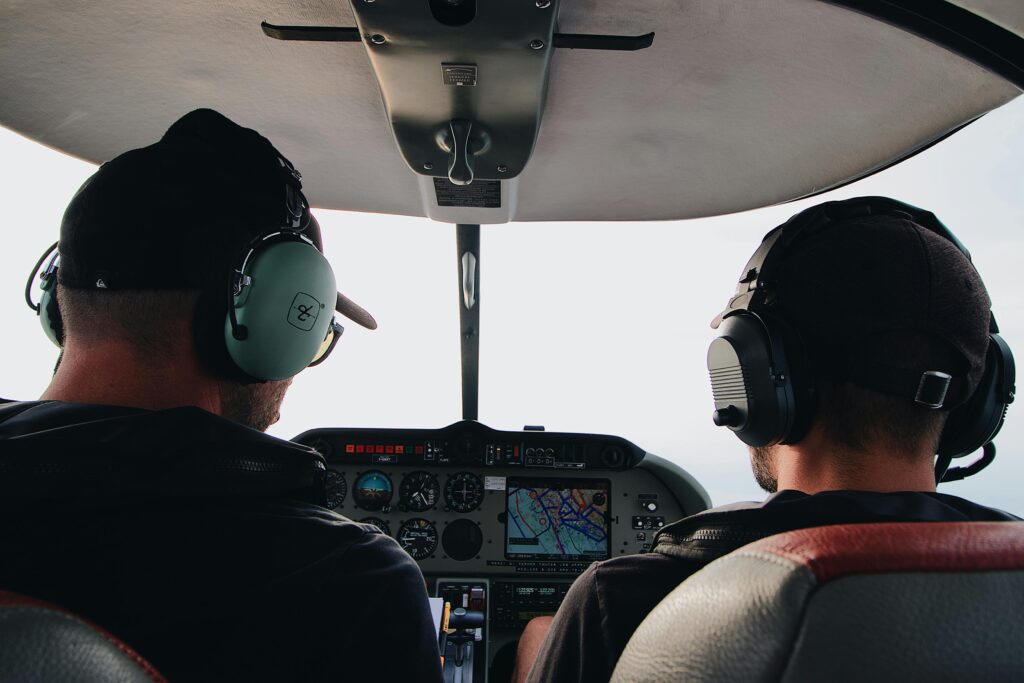
Introduction to Pilot Training
Becoming a pilot is a rewarding pursuit that requires not only dedication but also considerable training and certification. Across both the European Union (EU) and the United States (USA), aspiring pilpilot trainingots can choose from various types of licenses, including private, commercial, and airline transport pilot licenses. Each of these categories signifies a different level of expertise, responsibilities, and the scope of flight operations that a pilot is allowed to conduct.
The journey to becoming a pilot often begins with obtaining a private pilot license (PPL), which allows individuals to fly for personal enjoyment rather than for compensation. This initial training typically covers the fundamentals of flight operations, navigation, weather systems, and aviation regulations. After achieving a PPL, a pilot may progress to obtaining a commercial pilot license (CPL), which is necessary for those seeking to operate aircraft professionally, whether for transport, charter, or other commercial purposes.
For those aiming specifically to become airline transport pilots (ATPs), further training and a higher level of certification is required. An ATP license enables pilots to command commercial airlines and operate larger aircraft. The process involves extensive flight hours, advanced training, and understanding complex operational protocols. In both the EU and USA, regulatory bodies like the European Union Aviation Safety Agency (EASA) and the Federal Aviation Administration (FAA) oversee these training programs, ensuring that safety and competency standards are rigorously maintained.
Training programs can vary significantly in duration, influenced by factors such as the type of pilot certification one is pursuing, the individual’s prior experience, and the training environment. A structured approach to training is essential in order to prepare candidates for the challenges they will face in the aviation industry, highlighting the critical role of well-defined training processes and their importance in fostering skilled pilots.
Flight Training Requirements in the USA
Becoming a pilot in the United States involves a structured training process governed by the Federal Aviation Administration (FAA). The journey begins with obtaining a private pilot license (PPL), which serves as the foundational certification. To qualify for a PPL, an aspiring pilot needs to accumulate a minimum of 40 flight hours, although most flight schools report that students average around 60 to 70 flight hours before testing for the license.
The flight training typically includes at least 20 hours of flight training with an instructor and 10 hours of solo flight time, which allows students to practice skills independently. Additionally, aspiring pilots must pass a written knowledge test and a practical flight test to demonstrate their flying proficiency and understanding of aviation regulations.
After obtaining a PPL, pilots may choose to advance their skills further by pursuing an instrument rating, which allows them to fly in a wider range of weather conditions. This requires an additional 40 flight hours dedicated to instrument training, including 15 hours with an instructor and 25 hours of solo flight time.
The next step is often to earn a commercial pilot license (CPL), which requires a total of 250 flight hours. Training for a CPL includes both flight training and ground school, focusing on advanced maneuvers and the commercial operations of aircraft. Pilots must also pass additional written and practical exams specific to commercial flying.
In conclusion, the process of becoming a pilot in the USA is comprehensive, with clear requirements that ensure individuals are adequately trained for the responsibilities that come with piloting an aircraft. From private pilot certificates to commercial licenses, each step builds upon the last, preparing one for a career in aviation.
Flight Training Requirements in the EU
In the European Union (EU), becoming a pilot involves adhering to the regulations set forth by the European Union Aviation Safety Agency (EASA). EASA outlines a structured and comprehensive licensing system that includes several types of licenses, each with distinct requirements.
The primary pilot licenses under EASA regulations include the Private Pilot License (PPL), the Commercial Pilot License (CPL), and the Airline Transport Pilot License (ATPL). To obtain a PPL, aspiring pilots must accumulate a minimum of 45 flight hours, which includes at least 25 hours of dual flight training with an instructor and 10 hours of solo flight time. Similarly, obtaining a CPL requires a minimum of 150 flight hours, while an ATPL necessitates 1,500 hours of flight experience.
Flight training for these licenses typically includes ground school, where students learn about aviation theory, air law, navigation, and meteorology. This theoretical knowledge must be coupled with practical flight training. Students must pass written examinations and demonstrate their flying proficiency through practical flight tests. Each of these licenses has specific skill and knowledge assessments.
Additionally, the path to acquiring these licenses involves fulfilling medical fitness requirements. Applicants must obtain a Class 1 medical certificate for the ATPL and CPL, demonstrating that they meet the necessary health standards set by aviation authorities.
The overall duration of these training programs can vary widely based on several factors, including the individual’s availability for training, weather conditions, and the efficiency of the training organization. Typically, candidates can expect that completing the required training and obtaining the necessary certifications can take anywhere from a few months to several years, depending on the chosen path.
Comparative Timeline: EU vs. USA
Becoming a pilot involves a structured training regime, and the time required to complete this training can vary significantly between the European Union (EU) and the United States (USA). In the EU, aspiring pilots typically undergo the Integrated Airline Transport Pilot License (ATPL) program, which can take around 18 months to 2 years for full-time students. This program combines theoretical knowledge and flight training, often requiring around 150 flying hours to commence with the ATPL exams.
In contrast, in the USA, the path to becoming a pilot generally follows a more fragmented approach. Enthusiasts often start with a Private Pilot License (PPL), which can be achieved in as little as 6 months with intensive training, requiring around 40 flight hours. Many pilots continue to obtain an Instrument Rating (IR) and then proceed to an ATPL, which may take an additional 1 to 2 years. On average, training from PPL to a commercial level in the USA can take anywhere from 1.5 to 3 years, depending on the individual’s pace and external conditions.
Certain obstacles may also extend the timeline in both regions. In the EU, students may face challenges regarding the availability of flying schools and weather-related interruptions, while in the USA, the requirement for building flight hours can impact timelines especially in states with less favorable flying conditions. Furthermore, the pace at which a pilot accumulates the necessary flight hours can influence overall training duration significantly, as both regions mandate different minimum flight hour requirements for various licenses.
The variance in training duration reflects not only the differing regulatory frameworks but also the cultural attitudes towards flight training in the EU and the USA. As such, prospective pilots should carefully assess their chosen pathway and potential training duration to align with their career aspirations.
Several factors significantly affect the duration of pilot training in both the EU and USA. Understanding these aspects is crucial for aspiring pilots who wish to plan their training timeline effectively.
Personal Commitments
Individuals’ personal commitments, such as family responsibilities or professional obligations, can drastically influence the amount of time available for flight training. Those who have demanding jobs or family-related duties may find it challenging to dedicate sufficient time to their studies and flying hours. Consequently, this may extend the overall duration of their training. Additionally, individuals’ learning speeds and prior aviation experience can also lead to variations in training duration.
Financial Resources
The cost associated with becoming a pilot is another significant factor impacting the training timeline. The financial burden of aviation training can be considerable, comprising tuition fees for flying schools, costs for aircraft rental, and expenses related to study materials and examinations. Pilots who require financing may encounter delays based on obtaining loans or scholarships, thereby prolonging their journey. Conversely, candidates with adequate financial resources can expedite their training by enrolling in full-time courses, allowing for more consistent flying hours and lesson attendance.
Weather Conditions
Weather plays an essential role in flight training. Adverse weather conditions can halt training sessions and lead to postponed lessons. Pilots training in regions with unpredictable weather may experience interruptions that extend their overall training time. Flight schools often have contingency plans; however, extensive weather-related disruptions can push back the timeline significantly.
Training Opportunities
The availability of training opportunities also impacts the duration of becoming a pilot. A saturated market with limited flight instructors and aircraft can delay the commencement of training for new pilots as they wait for available slots. In contrast, locations with a higher concentration of flight schools and instructors typically offer more immediate training opportunities, thus reducing waiting times.
Cost Breakdown of Pilot Training
Becoming a pilot is a rewarding career choice, yet it requires a significant financial investment. In both the EU and the USA, the costs associated with pilot training can vary widely based on several factors, such as the type of license sought, the training organization, and geographical location. Generally, aspiring pilots should budget for a range of $15,000 to $100,000 or more to obtain their commercial pilot licenses.
In the EU, flight training costs can differ between countries. For instance, in countries like Spain or Portugal, the total cost for obtaining a Commercial Pilot License (CPL) can be around €40,000 to €60,000. This includes theory examinations, practical flight training, and additional certifications. Meanwhile, in the UK, the expenses may rise higher, sometimes exceeding £100,000, especially when pursuing integrated programmes that combine both theoretical and flying hours.
In the USA, the cost of pilot training can be somewhat less. The total expenditure for completing a CPL can typically range from $30,000 to $60,000. However, many flight schools in the United States operate as part of a modular training system, allowing students to pay for training incrementally, which can ease the financial burden.
Beyond the training fees, potential pilots may face additional costs such as medical examinations, aviation headsets, books, and simulator time. It’s crucial for aspiring aviators to consider these factors when calculating their total financial needs. Fortunately, numerous financial support options and scholarships are available, particularly in the USA, such as the Aircraft Owners and Pilots Association (AOPA) scholarships or assistance from airlines that may cover training expenses in exchange for a commitment to work for them post-certification.
Understanding the financial requirements and available support can help prospective pilots navigate through their training duration effectively. Planning adequately for these costs is essential for a successful transition into a flying career.
Opportunities for Accelerated Training Programs
In both the EU and the USA, several accelerated training programs are designed to expedite the journey to becoming a pilot. These programs typically encompass intensive flight schools and fast-track paths, appealing to aspiring aviators who may prioritize brevity without compromising quality. In the EU, various flight academies, such as the Lufthansa Flight Training and the CAE Oxford Aviation Academy, offer integrated programs that can lead to a Commercial Pilot License (CPL) in a condensed timeframe, often ranging from 14 to 18 months, depending on the institution and the individual’s dedication.
Similarly, in the USA, numerous flight schools promote accelerated flight training pathways, with programs advertised to allow students to achieve their Private Pilot License (PPL) and CPL in as little as six months. Notable institutions, such as American Flyers and the Flight Safety Academy, provide comprehensive courses structured around immersive, full-time instruction. These courses combine classroom education with practical flying experiences to enhance learning and skill acquisition efficiently.
The advantages of these accelerated training programs are manifold. They typically facilitate a quicker entry into the aviation job market, which is increasingly beneficial given the rising demand for pilots. Furthermore, intensive programs often mean that students receive more concentrated instruction, allowing for better retention of concepts and skills. However, potential risks are also notable. The speed of training may compromise thoroughness, resulting in incomplete mastery of essential flying skills. Additionally, students may face heightened stress levels, which can impact performance and retention. Therefore, individuals should carefully assess their readiness for accelerated training and consider their personal learning pace before enrolling.
Real-Life Experiences and Testimonials
Embarking on the journey to become a pilot can be a transformative experience, and many aspiring aviators have shared their stories reflecting both the challenges and triumphs they encountered during their training in the EU and USA. For instance, a recent graduate from a flight school in Spain, Maria Garcia, described her journey as both exhilarating and rigorous. She completed her training in approximately 18 months, balancing intensive coursework with practical flying experience. Maria emphasized the importance of discipline and time management, especially when juggling flight hours and theoretical studies, which are essential components of obtaining a pilot license.
Conversely, John Smith, who trained in the USA, reported a slightly different timeline. John faced numerous hurdles due to inclement weather, which sometimes delayed his flying hours. His training took nearly two years to complete, partly due to the extensive requirements of the FAA (Federal Aviation Administration). He noted that such interruptions can be discouraging, yet he found motivation in the camaraderie with fellow students and instructors who shared their challenges. Adjusting to different training regimes, John learned that resilience is a vital trait for anyone aspiring to become a pilot.
Another insightful experience from Lucy Anderson, hailing from the UK, highlighted how cultural differences impacted her training process. Lucy encountered unique regulations from the EASA (European Union Aviation Safety Agency) framework that dictated training protocols, which initially felt overwhelming. Despite these challenges, Lucy completed her Private Pilot License within 14 months. Her advice to future pilots was to seek guidance from experienced instructors and to remain adaptable in the face of regulatory complexities. Ultimately, these unique testimonials reveal that while individual experiences may vary, determination and support from mentors significantly influence one’s journey through pilot training.
Conclusion and Next Steps for Aspiring Pilots
Becoming a pilot is a significant commitment that requires planning, resources, and dedication. The training timelines for aspiring pilots can vary greatly between the European Union (EU) and the United States (USA). In the EU, the integrated pilot training programs often take approximately 18 to 24 months to complete, while modular training could extend the timeline to several years based on individual progress and circumstances. Conversely, flight training in the USA can be more flexible, with some programs allowing students to attain their private pilot license within six months, followed by additional hours and certifications for commercial flying.
Regardless of your location, it is essential to thoroughly research the different pilot training programs available. Consider factors such as course duration, cost, and the modules included in the curriculum. When selecting an aviation school or program, ensure that it is accredited and meets the regulatory standards of the region in which you plan to operate. Both EU and USA pilots must adhere to strict licensing guidelines, which can affect career prospects and mobility.
As you embark on this journey, start by obtaining a medical certificate that meets the requirements for flight training. Additionally, familiarize yourself with the specific licensing requirements in your desired region, as there are distinct differences between EU and USA regulations. Engaging with local pilot communities and seeking mentorship from experienced aviators can also provide valuable insights.
In conclusion, while the pathway to becoming a pilot can vary by region, a clear understanding of the requirements and training timelines will serve as a solid foundation. Take the time to assess your goals, prepare adequately, and embrace the challenges that come with this exciting career choice. Your journey towards becoming a pilot begins with informed decisions and dedicated effort.
About the Author