Introduction
The asphalt industry plays a critical role in the construction and maintenance of road infrastructure and surfaces, making it an essential sector for economic development. Aspasphalt workershalt workers, who are responsible for laying, repairing, and maintaining asphalt surfaces, are vital to this industry. As urbanization continues to accelerate, the demand for skilled asphalt workers has risen, leading to growing interest in understanding salary trends across different regions, particularly in the United States and the European Union.
The significance of tracking salary trends for asphalt workers cannot be overstated. For potential employees, having access to up-to-date salary information allows them to make informed career decisions. It helps them to understand what they might expect in compensation, thereby influencing their pursuit of training or education in asphalt-related fields. Additionally, existing workers may use this information to negotiate their salaries or to evaluate job offers with a deeper understanding of the market landscape.
Industry stakeholders, including employers and labor unions, benefit from this knowledge as well. Understanding salary trends can aid companies in attracting and retaining talent, ensuring they remain competitive in the labor market. Furthermore, labor unions can use this data to advocate for fair wages and better working conditions on behalf of their members. By examining salary patterns, it becomes easier to identify disparities between regions, which can lead to targeted strategies for improvement.
As we approach 2026, the salary trends for asphalt workers in both the US and the EU are expected to evolve. Circumstances such as shifts in economic conditions, technological advancements, and changes in workforce demographics will play a substantial role in shaping these trends. This blog post will delve into the anticipated salary developments for asphalt workers, providing insight into the future of this critical profession.
Current Job Market for Asphalt Workers
The job market for asphalt workers in both the United States and the European Union is currently experiencing a notable degree of growth. As infrastructure projects expand, there is a rising demand for skilled asphalt workers who can contribute to road construction, maintenance, and rehabilitation. This trend is particularly influenced by increased government investments in public works aimed at improving transport networks and ensuring safer road conditions.
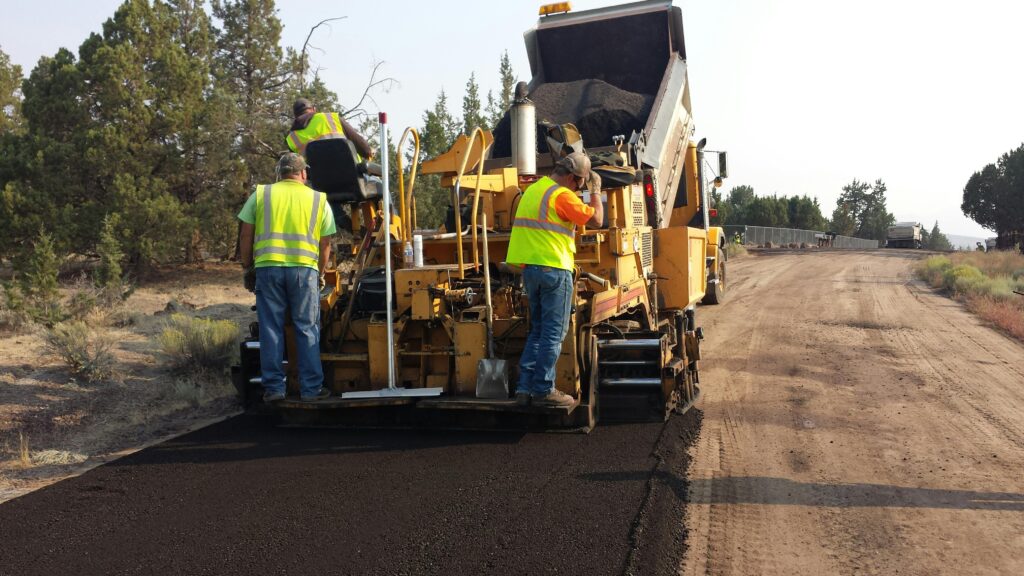
Asphalt workers play a crucial role in the construction industry, engaged in various tasks ranging from the mixing and laying of asphalt to the repair of damaged surfaces. Positions available in this field include asphalt laborers, asphalt pavers, and road construction foremen. These roles require a diverse set of skills, including proficiency in operating heavy machinery, an understanding of asphalt materials and mixtures, and a grasp of safety regulations pertinent to roadwork. Employers are increasingly looking for candidates who possess not only technical skills but also experience with modern paving techniques and machinery.
Furthermore, as the industry evolves, new technologies such as recycled asphalt pavement (RAP) and warm-mix asphalt (WMA) are gaining traction. Workers who are equipped with skills to handle these materials are likely to have a competitive edge in the job market. Additionally, knowledge of environmental sustainability practices is becoming increasingly beneficial, as regulations shift towards greener alternatives and sustainable road construction methods.
Overall, the asphalt worker job market appears poised for continued growth leading into 2026, fueled by ongoing infrastructure projects and an enhanced focus on sustainable construction practices. Understanding the current landscape and the necessary qualifications can help aspiring workers navigate their career path effectively in this essential sector.
Factors Influencing Salaries
The salaries of asphalt workers are influenced by a multitude of factors that can vary significantly across geographical locations. One of the primary components is the cost of living in different regions. For instance, asphalt workers in urban areas where costs are generally higher, such as New York or San Francisco, tend to earn more than those in rural locations where living expenses are lower. Moreover, state-specific regulations and funding for road construction projects can also impact wage levels.
Experience plays a crucial role in determining salary as well. Typically, asphalt workers with several years of hands-on experience or specialized skills command higher wages compared to those entering the field. As workers gain experience, they often develop expertise in areas such as paving techniques, equipment operation, and project management, further enhancing their earning potential.
The size of the company employing asphalt workers can also affect salary levels. Larger firms often possess better resources and may provide more competitive salaries and benefits packages than smaller companies. Conversely, smaller contractors may offer lower initial salaries but can provide valuable on-the-job training opportunities and a path for career advancement.
Union presence is another key factor influencing salaries in the asphalt industry. Unionized workers generally benefit from collective bargaining agreements that secure better wages and working conditions. Regions with a strong union presence often see higher average salaries for asphalt workers due to these negotiated benefits.
Lastly, broader economic conditions, including demand for infrastructure projects and funding for transportation works, significantly impact salary trends in the asphalt workforce. A booming economy typically leads to more construction jobs, increasing wage levels, while economic downturns may result in reduced job opportunities and stagnant salaries. Understanding these factors helps paint a comprehensive picture of the evolving landscape of salary trends for asphalt workers in both the US and EU.
Projected Salary Trends for Asphalt Workers in the US
Asphalt workers play a crucial role in the construction and maintenance of roads and pavements across the United States. As we project forward to 2026, it’s essential to analyze the anticipated salary trends for these workers within the framework of economic conditions, labor demands, and industry developments.
According to current data, the median annual salary for asphalt workers in the US stands at approximately $50,000. Looking ahead, various factors are likely to influence this figure. The ongoing investment in infrastructure projects at both federal and state levels, combined with a projected increase in road construction activities, is expected to create a higher demand for asphalt workers, potentially driving salaries upward.
Experts predict that salaries may rise by approximately 5% to 10% by 2026, influenced by labor shortages and an increasing push for skilled labor. The American Construction Association indicates that wages will also be impacted by rising material costs and inflation rates, which are affecting the overall construction industry. Furthermore, it is necessary to consider how regional variations might play a role—states with more active construction projects, such as Texas and California, may exhibit higher salary figures compared to others.
Additionally, advancements in technology and equipment used in asphalt production may lead to new roles and specialization within the workforce. As asphalt workers adapt to new techniques and machinery, opportunities for higher remuneration based on skill enhancement will likely emerge.
In conclusion, as we look towards 2026, the expected salary trends for asphalt workers in the US reflect a complex interplay of economic growth, infrastructure investment, and evolving industry standards, suggesting a positive trajectory for those in the field.
Projected Salary Trends for Asphalt Workers in the EU
The salary landscape for asphalt workers in the European Union is anticipated to witness significant changes by 2026. With varying economic conditions and labor market dynamics across different EU member states, the projected incomes for workers in this sector are expected to reflect these disparities. Countries such as Germany and France, which have robust infrastructural investments, are likely to offer higher salaries compared to their Eastern European counterparts.
In Western Europe, the projected annual salary for asphalt workers is estimated to range between €35,000 and €45,000, driven primarily by ongoing government-funded infrastructure projects and urban development initiatives. The focus on sustainable and environmentally friendly road construction methods could lead to an increased demand for skilled asphalt workforce, subsequently raising salaries. In contrast, nations like Hungary and Poland might see a salary range between €25,000 and €30,000, as their economies are still in the process of catching up with their Western counterparts.
Additionally, the regulations surrounding labor and construction in the EU can significantly impact these salary projections. The implementation of the EU’s directive on fair wages and improved labor conditions could potentially lead to higher earnings for asphalt workers. However, political stability and economic growth remain critical factors. Countries experiencing political instability or economic downturns may struggle to increase salaries as they seek to maintain employment levels and competitiveness.
Moreover, with advancements in technology and machinery used in asphalt application, workers will need to adapt by acquiring new skills. This demand for skilled labor may also play a role in driving salaries higher, particularly in regions investing heavily in modern equipment and eco-friendly materials. As such, the salary expectations for asphalt workers in the EU by 2026 will inevitably depend on a multitude of local factors, including labor costs, demand for infrastructure, and regulatory frameworks.
Comparative Analysis: US vs. EU Salaries
When examining the salary trends for asphalt workers in the United States and the European Union, several compelling differences and similarities emerge. Data shows that, on average, asphalt workers’ salaries differ significantly between these two regions due to various influencing factors, including labor laws, cost of living, and industry regulations.
In the United States, asphalt workers typically earn higher base salaries compared to their EU counterparts. This disparity can largely be attributed to the high demand for asphalt-related construction jobs and the generally higher cost of living in many US cities. On average, asphalt workers in the US might earn around $60,000 annually, while workers in the EU might earn approximately €40,000, depending on the specific country and regional market conditions.
However, while US salaries might appear more lucrative, it is essential to consider labor rights and employee benefits. In the European Union, regulations often mandate comprehensive benefits, including paid leave, vacation, and health services, which can considerably enhance the overall compensation package for asphalt workers. The EU’s emphasis on workers’ rights can be seen as a positive aspect, helping to create a more balanced work-life structure that is not as prevalent in the US.
Furthermore, different nations within the EU experience varying economic conditions, resulting in discrepancies in salaries, even among asphalt workers. For instance, an asphalt worker in Germany may enjoy a higher salary than one in Eastern Europe due to differing economic strengths and labor market conditions. In summary, the comparative analysis of asphalt workers’ salaries reflects divergent economic landscapes, labor laws, and industry practices across the US and EU, painting a complex picture of compensation in this field.
Unionization and Its Impact
Unionization plays a significant role in shaping the working conditions and salaries of asphalt workers across the United States and Europe. Unions advocate for fair wages, improved benefits, and enhanced job security, which are critical for maintaining a skilled workforce in the asphalt industry. By negotiating collective bargaining agreements, unions are able to ensure that asphalt workers receive compensation that reflects their skills, experience, and the demands of the job.
In the United States, the influence of unions on wages can be substantial. Unionized asphalt workers often enjoy higher hourly pay compared to their non-union counterparts. The presence of a union typically leads to better health and pension benefits, which are crucial for long-term job satisfaction and financial security. In regions with strong union representation, asphalt workers are more likely to receive wage increases, ensuring that their salary aligns with the rising cost of living and industry standards.
Conversely, in the European Union, unionization within the asphalt sector varies considerably among member states. Countries with strong labor traditions, such as Germany and France, tend to have well-established unions that effectively negotiate favorable terms for their members. In these nations, the union influence on salary tends to create a more balanced distribution of income and a focus on worker rights. However, in some Eastern European countries, where union presence is weaker, workers may experience stagnation in their salaries and fewer benefits.
Overall, the impact of unionization on asphalt workers’ salaries in both the US and EU signifies the importance of collective action in advocating for fair labor practices. As the industry evolves, union representation remains a critical factor that can enhance the economic wellbeing of asphalt workers, ensuring they receive just compensation for their essential contributions to infrastructure development.
Future Considerations for Asphalt Workers
As the asphalt industry evolves, several considerations regarding employment and salary progression for workers are paramount. The integration of technology and the demand for skilled labor are likely to influence the job market significantly. Workers who adapt to these changes effectively will stand a better chance of securing advancements in their careers and maintaining competitive salaries.
One of the most pressing aspects for asphalt workers is the need for continuous skill development. With the advent of new machinery and digital tools, workers will benefit from training opportunities that enhance their technical skills and operational efficiencies. Organizations and trade unions can play a critical role in providing access to training programs tailored to the needs of the asphalt sector. Additionally, workers should actively seek out certifications related to paving techniques and safety standards to improve their employment prospects.
Adapting to technological changes is another significant consideration. The adoption of automation and advanced construction technologies will reshape the work environment. Asphalt workers will need to be proficient not only in traditional paving methods but also in operating sophisticated machinery and using digital project management tools. Embracing these skills can lead to increased responsibility and, consequently, higher wages.
Moreover, the emphasis on sustainability and environmentally friendly practices within the asphalt industry is continuing to grow. Workers who possess knowledge about sustainable asphalt production methods and can implement eco-friendly practices may find themselves in high demand. As companies strive to meet regulatory standards and community expectations, this specialized knowledge will be an asset that can differentiate workers in a competitive labor market.
In conclusion, the future of asphalt workers hinges on their commitment to skill enhancement, their adaptability to technological changes, and their understanding of sustainable practices. By preparing for these trends, workers can navigate the evolving landscape and achieve better employment and salary outcomes in the coming years.
Conclusion
As we look towards the future, the landscape for asphalt workers in both the United States and European Union is poised for notable changes by 2026. Current forecasts indicate that salaries for these workers will likely experience a gradual increase, influenced by various factors such as economic growth, infrastructure investments, and evolving industry standards. Understanding these trends can empower workers and job seekers when evaluating their career prospects in this essential sector.
The anticipated salary trends highlight the importance of staying informed about the job market dynamics. Asphalt workers should be aware of regional variations in pay and employment conditions, as these can significantly impact career choices and earning potential. In particular, regions where infrastructure spending is expected to rise may offer better financial opportunities compared to areas with stagnant economic forecasts.
Furthermore, the evolving nature of the construction industry, including advancements in technology and sustainability practices, is reshaping the skills required for asphalt workers. Continuous professional development will be crucial for those in the field to remain competitive and secure higher wages. With a clearer understanding of future salary trends and employment conditions, asphalt workers can make informed decisions regarding their training, career paths, and potential relocations to maximize their earnings. In essence, awareness and proactive planning will be key to thriving in the asphalt sector by 2026.
About the Author