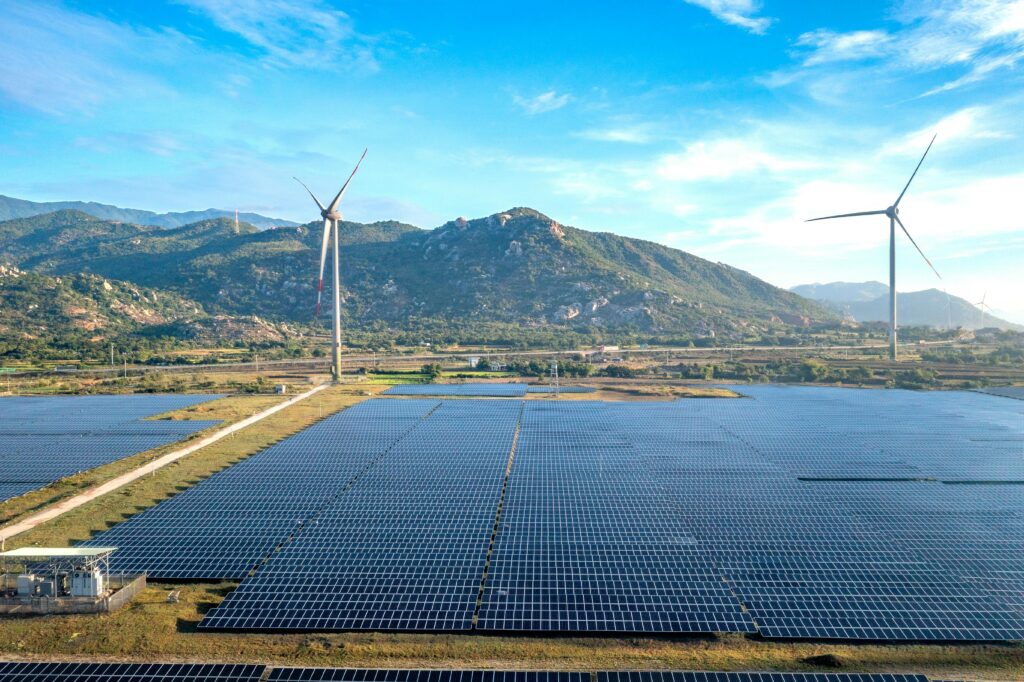
Introduction to Solar Energy
Solar energy has emerged as a significant alternative to traditional fossil fuels, contributing to a more sustainable and environmentally friendly approach to energy consumption. This renewable energy source is harnessed from the sun’s radiation and transformed into usable electricity or heat, thus playing a crucial role in the global effort to reduce carbon emissions and combat climate change. With the increasing urgency to mitigate environmental impacts, solar energy presents itself as a viable solution for nations seeking to embrace clean energy technologies.
At the core of harnessing solar energy are solar panels, which are devices designed to convert sunlight into electricity. These panels utilize photovoltaic (PV) cells made from semiconductor materials, primarily silicon, to capture and convert solar energy into electrical power. The functionality of solar panels varies based on the technology employed, allowing for an array of applications, from powering homes and businesses to supporting large-scale solar farms that feed electricity into the grid.
There are several types of solar panels available in the market, each designed to fit diverse energy needs and installation contexts. The most common types include monocrystalline, polycrystalline, and thin-film solar panels. Monocrystalline panels are known for their high efficiency and space-saving design, making them suitable for residential installations with limited roof space. In contrast, polycrystalline panels are generally more affordable, making them an attractive option for larger installations where budget considerations are important. Thin-film solar panels, while less efficient, offer flexibility in installation and can be integrated into a variety of surfaces and materials.
The Growth of Solar Energy Adoption Worldwide
The surge in global solar energy adoption over recent years illustrates a significant shift towards renewable energy sources. According to the International Energy Agency (IEA), global solar power capacity reached approximately 972 gigawatts (GW) by the end of 2021, reflecting an increase of nearly 18% from the previous year. This upward trajectory highlights the growing recognition of solar energy as a viable and essential component in the global energy mix.
Several factors are driving this rapid growth in solar energy adoption. Technological advancements have played a pivotal role, resulting in more efficient solar panels and decreasing costs associated with installation and maintenance. The levelized cost of solar energy has fallen by about 89% since 2010, making it increasingly accessible to consumers and businesses alike. These advancements allow solar energy systems to generate more power with less investment, enticing both residential and commercial users.
Government incentives and policies also significantly contribute to the proliferation of solar energy solutions worldwide. Countries such as Germany, China, and the United States have implemented various subsidies, tax credits, and grants to encourage the installation of solar panels. These incentives reduce the initial financial burden on consumers and promote a swift transition to clean energy sources.
Moreover, growing environmental concerns about climate change and air pollution have heightened the demand for cleaner energy alternatives. Individuals and organizations are increasingly recognizing the importance of reducing their carbon footprint, further fuelling the drive towards solar energy systems. The global commitment to creating a sustainable future has also seen international agreements, such as the Paris Agreement, emphasize the need for increased investments in renewable energy technologies.
As we look towards the future, projections indicate that solar energy adoption will continue to rise. Estimates suggest solar could account for nearly 30% of global electricity generation by 2030, solidifying its status as a cornerstone in the world’s transition to sustainable energy solutions.
Countries Leading in Solar Panel Installations
Currently, several countries have emerged as pioneers in the adoption of solar panel technology, showcasing a strong commitment to renewable energy and sustainable development. Among them, China holds a paramount position, leading the world with a staggering total installed solar capacity exceeding 300 gigawatts (GW). This extensive deployment not only reflects China’s energy strategies but also its overarching goals to combat air pollution and reduce reliance on fossil fuels.
Following China, the United States ranks second in solar capacity, boasting over 120 GW of installed solar panels. The U.S. has seen substantial growth in solar energy, thanks in part to federal and state incentives, technological advancements, and a growing public awareness of climate change. States such as California and Texas have paved the way, effectively utilizing solar technology to meet both residential and commercial energy demands.
Germany is another significant player in this arena, known for its ambitious energy transition policies, widely referred to as the “Energiewende.” The country’s total installed solar capacity hovers around 60 GW, reflecting a long-standing commitment to renewable energy sources. With solar installations spread across rooftops and solar farms, Germany continues to set an example of how governmental policies can effectively support solar energy adoption.
Other notable countries include Japan, which has been a solar pioneer in Asia, with an installed capacity of approximately 75 GW. The growth in Japan’s solar sector can be attributed to the aftermath of the Fukushima disaster, motivating a shift toward safer and more sustainable energy options. Furthermore, India has made impressive strides in solar power adoption, with over 40 GW of installed capacity and plans for further expansion, illustrating its push toward renewable energy and energy security.
China: The Global Leader in Solar Energy
As of 2023, China stands as a dominant force in the solar energy market, leading the world not only in solar panel production but also in domestic installations and international investments. The country has established itself as the largest manufacturer of solar panels, producing nearly 70% of the world’s total solar photovoltaic (PV) panels. This significant output is supported by an advanced supply chain that enhances both efficiency and cost-effectiveness in manufacturing.
In terms of domestic usage, China has made massive advancements in solar energy implementation. Reports indicate that the total installed solar capacity in China reached over 300 gigawatts (GW) by mid-2023, accounting for more than a third of the global total. This expansion is driven by governmental policies aimed at promoting renewable energy as part of China’s commitment to reducing carbon emissions and combating climate change. The Chinese government has introduced several incentives, including subsidies and tax breaks, which have encouraged investments in solar technology.
Internationally, China has not only focused on domestic growth but has also made significant investments in solar energy projects abroad. Chinese companies have been instrumental in financing and constructing solar plants in developing nations, thereby spreading solar technology and infrastructure globally. For instance, partnerships with countries in Africa and Southeast Asia have been pivotal in increasing access to solar energy in regions that previously relied heavily on fossil fuels.
The overarching strategy is also aligned with China’s ambitious goals for renewable energy, which aim for an increased capacity of 1,200 GW by 2030. Such broad initiatives showcase the importance of solar energy within China’s broader energy landscape, illustrating how government policies, rapid production capabilities, and global investment strategies have positioned China at the forefront of the solar energy movement.
The Role of the United States in Solar Panel Usage
The United States plays a central role in the global solar energy sector, with significant advancements in solar panel usage across various states. Over the past decade, the solar installation landscape in the U.S. has transformed, showcasing remarkable growth fueled by technological innovation and an increasing public awareness of renewable energy benefits. Data demonstrate that states like California, Texas, and Florida lead the way in solar installations, effectively harnessing abundant sunlight to promote sustainable energy solutions.
The growth of solar energy in the United States is further bolstered by federal and state-level incentives. Programs such as the Investment Tax Credit (ITC) allow consumers to deduct a portion of their solar panel costs from their federal taxes, significantly lowering the barrier for entry. Additionally, many states offer their own incentives, such as rebates, tax credits, and grants, which have catalyzed increased installations of solar energy systems. This dual support structure creates an environment conducive to solar deployment, allowing residents and businesses to invest in renewable sources more easily.
The impact of the solar industry extends beyond environmental benefits; it also plays a critical role in economic development and job creation. As the demand for solar energy grows, so does the need for skilled labor to manufacture, install, and maintain solar systems. According to recent statistics, the solar industry has become a substantial employer, contributing thousands of jobs across various sectors, including manufacturing, installation, and research and development. This trend is essential not only for achieving energy efficiency goals but also for driving a sustainable economy that can adapt to future energy challenges.
Germany: A Pioneer in Solar Energy Adoption
Germany has long been recognized as a leader in the global solar energy sector. Its commitment to renewable energy began in the 1990s with the introduction of various policies aimed at promoting the adoption of solar technologies. The most notable of these initiatives is the Feed-in Tariff (FiT), implemented in 2000, which guaranteed fixed payments for energy producers who generated electricity from solar panels. This policy served as a significant incentive for homeowners and businesses alike to invest in solar energy systems.
The impact of the Feed-in Tariff policy in Germany has been profound, leading to a dramatic increase in solar panel installations throughout the country. As a result, Germany emerged as one of the largest producers of solar power globally. By providing long-term contracts and stable pricing, the FiT catalyzed widespread investment in solar technologies, making them more accessible to the population. Furthermore, this framework ensured that the energy generated from solar panels contributed to the public grid, fostering a cooperative relationship between individual producers and energy providers.
In addition to the FiT, Germany has implemented a range of other policies to sustain its commitment to renewable energy. These included the Renewable Energy Sources Act, which set ambitious targets for the generation of power from renewables, including solar. The government’s holistic approach to energy transition has paved the way for innovations in energy efficiency and the development of smart-grid technologies. Today, Germany continues to invest heavily in research and development, focusing on enhancing solar technology efficiency and reducing costs, which strengthens its position as a frontrunner in solar energy adoption.
Emerging Solar Markets: India and Other Countries
As the global demand for renewable energy solutions surges, many emerging markets are recognizing the potential of solar energy as a viable alternative to fossil fuels. Among these nations, India, Japan, and Australia have made significant strides in ramping up their solar initiatives, driven by government policies, technological advancements, and strategic international collaborations.
India has rapidly transformed into one of the largest solar energy markets in the world, primarily due to its ambitious national targets under the National Solar Mission. The government aims to achieve 100 GW of solar power capacity by 2022, promoting initiatives such as the Solar Park Scheme and the Grid-Connected Rooftop Solar Program. The involvement of private players and global investment in these projects has further bolstered India’s solar landscape, allowing it to harness an abundant supply of sunlight effectively.
Similarly, Japan has emerged as a leader in solar technology adoption, especially since the Fukushima nuclear disaster. The Feed-in Tariff System introduced in 2012 encouraged private investment in solar infrastructure, resulting in a significant increase in photovoltaic installations. The country continues to innovate, with advancements in solar power efficiency and energy storage solutions, positioning itself as a key player in sustainable energy.
Australia, meanwhile, is witnessing a rapid uptake of solar energy, driven by high electricity costs and favorable climatic conditions. With various state-level initiatives supporting solar adoption, Australia has one of the highest rates of residential solar panel installations per capita globally. The government’s long-term commitment to reducing carbon emissions further supports the growth of solar energy, ultimately contributing to its energy independence.
Overall, the collaboration between governments, private sectors, and international organizations plays a crucial role in enhancing solar energy use in these emerging markets. By fostering such partnerships and leveraging technological innovations, countries like India, Japan, and Australia are paving the way for a more sustainable and energy-efficient future.
Challenges Facing Solar Energy Adoption
The widespread adoption of solar energy presents several challenges that hinder its integration into the global energy landscape. One of the primary barriers is the funding required for the installation of solar infrastructure. Initial capital costs, though decreasing over time, can still be significant enough to deter potential investors and countries from making the shift towards solar power. This financial requirement becomes particularly pronounced for developing nations where budgets are already stretched thin due to competing priorities.
In addition to funding, the lack of adequate infrastructure poses another substantial obstacle. Many regions lack the necessary grid systems to support the influx of solar energy, making it difficult to transport and utilize this clean energy efficiently. Upgrading existing grids or constructing new lines can be a daunting task, especially in areas where geographical and economic factors complicate development.
Public perception also plays a critical role in the adoption of solar energy. In some communities, misinformation about the efficiency, cost-effectiveness, and reliability of solar systems can undermine confidence in pursuing renewable energy initiatives. Educational outreach and awareness campaigns are essential to addressing these misconceptions and highlighting the long-term benefits of solar usage.
Furthermore, solar energy competes with entrenched fossil fuel industries, which still receive substantial government subsidies. This creates an uneven playing field, wherein renewable sources struggle to achieve parity with established forms of energy. Policy innovations, such as tax incentives for solar investments and penalties for carbon emissions, are necessary to cultivate a more favorable environment for solar energy.
Tackling these challenges requires a multifaceted approach, balancing funding, infrastructure development, public education, and equitable policy reforms. Through collaborative efforts among governments, policymakers, and the private sector, solar energy can overcome these barriers, leading to broader adoption and a significant reduction in carbon emissions.
The Future of Solar Energy Globally
The future landscape of solar energy worldwide appears promising and transformative. As countries grapple with the pressing issues of climate change and energy transition, solar power stands out as a pivotal solution. Various factors indicate a robust growth trajectory for solar energy adoption, with projections suggesting that global solar capacity could exceed 3,000 gigawatts by 2030. This forecast is largely driven by falling prices of solar panels, improved efficiency, and widespread awareness of the benefits of clean energy solutions.
Technological advancements play a significant role in shaping the solar market. Innovations in photovoltaic (PV) technology, such as bifacial solar panels and floating solar farms, are enhancing energy generation and efficiency. Furthermore, the integration of battery storage technology allows for the improved management of energy supply and demand, effectively addressing one of the major challenges associated with solar energy: its intermittent nature. As these technologies continue to develop, we can anticipate a shift toward more decentralized energy systems, giving households and businesses greater control over their energy consumption.
In addition to technological improvements, changes in global policies are expected to significantly impact the solar energy sector. Governments are increasingly recognizing the importance of sustainable energy sources and are implementing favorable policies that promote solar energy investment. Initiatives such as feed-in tariffs, tax incentives, and renewable portfolio standards are facilitating the transition to solar power. As international agreements aimed at reducing carbon emissions are strengthened, countries that prioritize solar energy will likely see a surge in investments and innovations in the industry.
In conclusion, the trajectory of solar energy adoption globally points toward a future characterized by significant growth, accelerated by advancements in technology, supportive policies, and increasing global commitment to sustainable energy practices. The next decade will be crucial in realizing the potential of solar energy as a cornerstone of the world’s energy landscape.
About the Author