Introduction to Turbine Electricity
Turbine electricity is a fundamental aspect of modern energy generation, converting various forms of energy into electrical power. At its core, a turbine is a mechanical device that harnesses energy from fluids—this can be air, water, or steam—to produce rotational motion. This motion is subsequently employed to drive generators that transform mechanical energy into electrical energy.
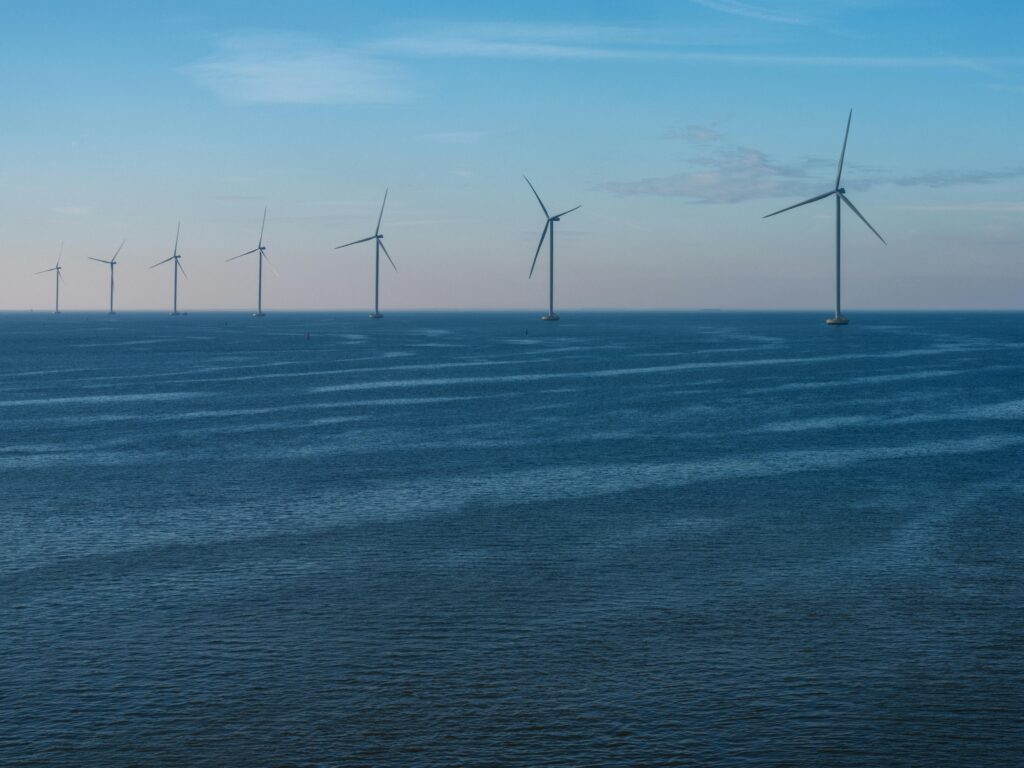
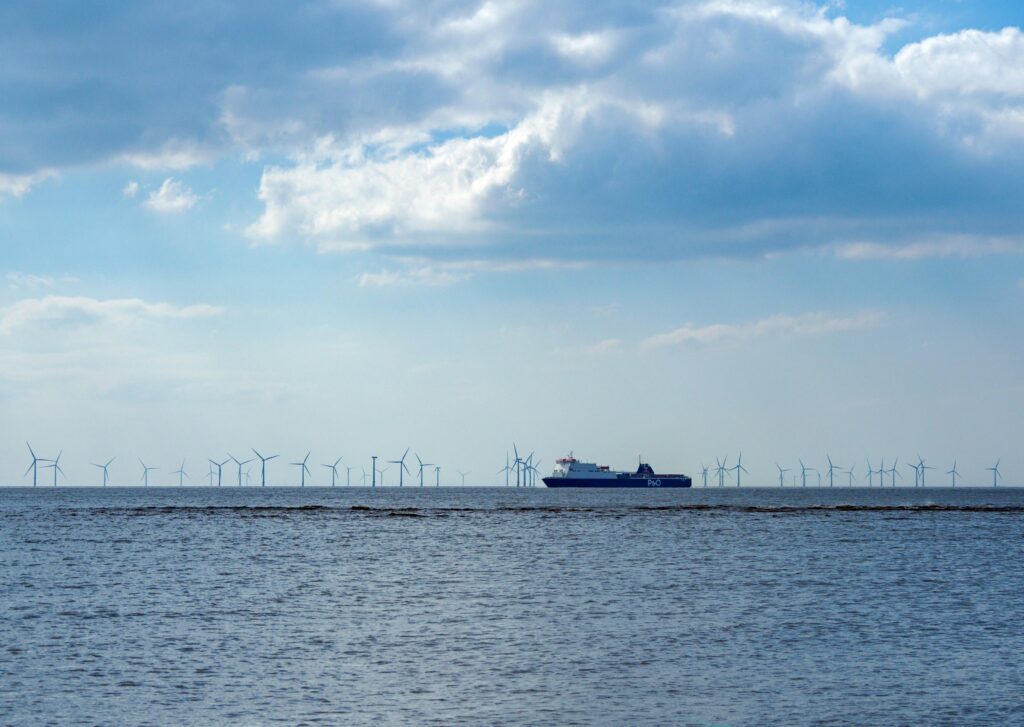
There are several types of turbines, each designed for specific applications and energy sources. For instance, wind turbines utilize the kinetic energy present in wind to generate electricity. These devices consist of blades that capture wind energy, rotating around a horizontal or vertical axis, which is then converted into electrical power through a generator. On the other hand, hydro turbines operate in a similar manner but capitalize on the energy of flowing or falling water, often seen in hydropower plants.
Steam turbines are another critical category, widely used in thermal power stations. In this setting, steam produced from heated water spins the turbine blades, creating motion that translates into electricity generation. Turbine electricity systems also include gas turbines, which combust natural gas to drive the turbine and generate electricity efficiently.
The significance of turbine electricity lies in its ability to provide a substantial amount of the world’s electrical needs sustainably. As energy demands continue to grow, the quest for reliable and clean energy sources becomes increasingly critical. Turbines play an essential role in this transition, facilitating the shift towards renewable energy sources while also providing backup support for fossil fuels. Overall, turbines embody a crucial technology driving our modern electricity landscape and influencing energy policies worldwide.
The Basics of Turbines
Turbines are pivotal devices in the realm of electricity generation, functioning primarily to convert kinetic energy from moving fluids—be it air, water, or steam—into mechanical energy. This transformation is essential in the production of electrical energy in power plants. At the core of every turbine lies a series of fundamental components, primarily the rotor, blades, and generator.
The rotor is a rotating element of the turbine that embraces the kinetic energy generated by the fluid flow. When fluid moves, it interacts with the blades attached to the rotor, causing it to spin. The blades are meticulously designed to capture as much energy as possible from the moving fluid, which is why their shape and angle are critical for optimal performance. This interaction leads to a significant conversion of kinetic energy into rotational energy.
Once the rotor is in motion, it is connected to a generator. The generator plays a crucial role in this mechanism, as it converts the mechanical energy from the spinning rotor into electrical energy. This process involves electromagnetic induction, whereby the motion of the rotor induces an electric current within the generator’s coils. The efficiency of this energy transformation is determined by the design and quality of both the turbine and the generator.
To summarize, turbines represent sophisticated engineering marvels that facilitate the conversion of kinetic energy from fluids into usable mechanical energy, ultimately leading to the generation of electricity. Understanding the intricate working of the rotor, blades, and generator provides a foundational insight into the mechanisms that enable turbine electricity generation, underscoring their significance in modern energy solutions.
Types of Turbines
Turbines are essential devices in the generation of electricity, converting various forms of energy into mechanical energy, and subsequently into electrical energy. The primary types of turbines include steam turbines, gas turbines, hydroelectric turbines, and wind turbines, each with its fundamental operational mechanism and applications across distinct energy sectors.
Steam turbines are widely utilized in thermal power plants, where water is heated to create steam. This steam is then directed toward the turbine blades, causing them to spin. The rotational motion powers a generator, converting thermal energy into electrical energy. Steam turbines are highly efficient and capable of producing large amounts of power, making them a reliable choice for base-load electricity generation.
Gas turbines operate on a different principle, utilizing combustion to create hot gas that expands and spins the turbine blades. Often employed in gas-fired power plants, these turbines can quickly ramp up or down, providing flexibility and support to the electricity grid during peak demand times. Their design also allows for high power-to-weight ratios, making them ideal for both stationary and mobile applications, such as aircraft engines.
Hydroelectric turbines harness the kinetic energy of flowing water to generate electricity. These turbines are typically part of a hydroelectric power station, where water is released from a reservoir, allowing it to flow through the turbines and spin them, thus generating power. Hydroelectric turbines can vary in design, including impulse and reaction types, depending on the specific characteristics of the water flow and the elevation change.
Lastly, wind turbines capture the energy of the wind using large blades that rotate around a central hub. As the wind moves across the blades, the rotational movement drives a generator, converting kinetic energy into electrical energy. Wind turbines are a vital component of renewable energy solutions, contributing to sustainability efforts and reducing dependence on fossil fuels.
How Turbines Generate Electricity
Turbines play a crucial role in the generation of electricity by converting mechanical energy, often derived from sources such as wind, water, or steam, into electrical energy. This transformation occurs through a complex process that hinges on the principles of physics, particularly electromagnetic induction. At the heart of the operation lies a turbine’s ability to harness kinetic energy, transferring it to a generator that is essential in this energy conversion.
When a turbine rotates, it spins a rotor connected to a generator. As the rotor turns, it creates a magnetic field that passes through coils of wire contained within the generator. This interaction prompts the phenomenon known as electromagnetic induction, where the movement of the magnetic field induces an electrical current within the wire coils. Thus, the mechanical energy from the turbine is directly converted into electrical energy, demonstrating a seamless transition from one form of energy to another.
Different types of turbines—be it wind turbines, hydro turbines, or steam turbines—function based on similar principles but operate under distinct conditions. Wind turbines capture wind energy to rotate their blades, while hydro turbines utilize flowing water. In steam turbines, the process begins with the heating of water to produce steam that then propels the turbine’s blades. Despite variations in design and application, the fundamental connection between the turbine and the generator remains constant.
In summary, the capability of turbines to generate electricity relies on a well-orchestrated mechanism where mechanical energy is effectively translated into electrical energy through the principles of electromagnetic induction. This process not only underpins traditional energy generation methods but also signals the significant advancements in renewable energy technologies, ensuring a sustainable future in power generation.
Applications of Turbine Electricity
Turbine electricity plays a critical role in various sectors, fueling the advancement of technology and infrastructure. One of the most prominent applications of turbine electricity is in traditional power plants, where steam or gas turbines convert thermal energy into electrical energy. In these facilities, fossil fuels, such as coal, natural gas, and oil, are utilized to generate steam, which drives turbines to produce electricity for residential and commercial use. These power plants are essential in meeting the ever-growing demand for electricity in populous regions.
Another significant application of turbine electricity is found in renewable energy systems, particularly wind and hydroelectric power. In wind turbines, kinetic energy from the wind is transformed into mechanical energy, which is subsequently converted into electricity through a generator. This application highlights the potential of turbine electricity to contribute to sustainable energy solutions while reducing carbon emissions. In hydroelectric power plants, the gravitational potential energy of water flowing downhill drives turbines, generating substantial amounts of electricity. These renewable sources are critical in the global shift toward sustainable energy solutions.
Furthermore, turbine electricity is invaluable in various industrial processes. Industries such as manufacturing, metal processing, and oil refining rely heavily on turbines to drive compressors, pumps, and other auxiliary equipment. The energy generated from turbines helps maintain the efficiency of production lines and contributes significantly to the overall operational productivity of these industries. For instance, in the oil and gas sector, gas turbines are used for power generation purposes and to drive machinery necessary for exploring and extracting fossil fuels.
In conclusion, turbine electricity encompasses a wide array of applications across multiple sectors, ranging from conventional power generation to innovative renewable energy systems and diverse industrial processes. As the global energy landscape continues to evolve, the role of turbine electricity remains indispensable in supporting sustainable development and economic growth.
Advantages of Turbine Technology
Turbine technology plays a crucial role in the generation of electricity, offering numerous advantages that make it a preferred choice for many power generation applications. One primary benefit is the high efficiency of turbines, particularly in converting kinetic energy from various sources, such as wind, water, and steam, into electrical energy. This high efficiency not only maximizes energy output but also minimizes the resources needed for power generation, thus leading to more sustainable energy practices.
Reliability is another significant advantage of turbine technology. Turbines are designed to operate under various environmental conditions and maintain stable performance over time. Their robust engineering ensures that they can withstand the stresses of continuous operation, making them an integral part of the energy infrastructure. The consistent performance of turbines allows for a more reliable electricity supply, which is essential for both residential and industrial consumers.
Moreover, the environmental sustainability of turbine technology cannot be overstated. By leveraging renewable energy sources such as wind and hydroelectric power, turbines significantly contribute to reducing carbon emissions compared to traditional fossil fuel-based power generation methods. Utilizing wind and water resources helps diminish reliance on coal and natural gas, fostering a cleaner energy landscape. As countries strive to meet their carbon reduction targets, the inclusion of turbine technology in their energy portfolios becomes increasingly vital.
The advancements in turbine design and technology continue to enhance their performance and profitability. Innovations, such as more efficient blade design and enhanced materials, further increase the scalability and applicability of turbines in different contexts. As the energy sector evolves, turbine technology remains central to sustainable energy solutions, emphasizing its importance in addressing global energy challenges while supporting economic growth.
Challenges in Turbine Operation
Turbine operation, while crucial for generating electricity, encompasses a multitude of challenges that can affect performance and efficiency. One prevalent issue is wear and tear on turbine components, which can arise due to prolonged use and exposure to harsh operating conditions. Components such as blades, bearings, and seals are particularly susceptible to degradation over time, which not only compromises the efficiency of electricity generation but can also lead to costly repairs and downtime.
Another significant challenge is the efficiency losses that turbulence and flow variations can induce during operation. Factors such as operational parameters, fuel quality, and environmental conditions play a critical role in turbine efficiency. In cases where turbines are not operating at optimal conditions, energy conversion can be subpar, affecting overall productivity and the cost-effectiveness of power generation.
Environmental impacts also pose considerable challenges to turbine operation. Modern regulations demand that power generation facilities adhere to stringent environmental standards, necessitating the implementation of measures to mitigate emissions. These requirements can sometimes conflict with turbine efficiency, presenting a dilemma for operators.
To tackle these challenges, various strategies can be employed. Regular maintenance schedules help address wear and tear, allowing for timely identification of issues before they escalate. Additionally, advancements in monitoring technology enable operators to collect real-time data on turbine performance, facilitating immediate corrective actions and optimizing operational parameters for maximum efficiency.Incorporating eco-friendly technologies and renewable energy sources can also mitigate environmental impacts significantly, aligning turbine operations with sustainable practices while ensuring compliance with legal standards.
Future Trends in Turbine Technology
The future of turbine technology is poised for significant advancements, driven by continuous innovations in materials, design, and integration with smart grid systems. As the demand for renewable energy sources surges, the role of turbines in electricity generation becomes increasingly critical. One of the most promising trends is the development of advanced materials that enhance the efficiency and durability of turbines. Manufacturers are exploring lightweight composites and alloys that not only improve performance but also reduce maintenance costs.
Design improvements are also at the forefront of turbine technology. Engineers are focusing on optimizing blade shapes and sizes to harness wind energy more effectively. Innovations like vertical-axis turbines are gaining traction for their ability to operate in turbulent wind conditions, broadening the scope of installation sites. These design enhancements contribute to higher energy output and increased reliability, addressing a key challenge in turbine electricity generation.
Additionally, the integration of turbines with smart grid technologies is set to revolutionize energy distribution. Smart grids facilitate real-time data exchange and management, allowing for better coordination between energy production and consumption. Such integration enables turbines to operate more efficiently, responding dynamically to changes in demand and supply. As turbines become interconnected with the grid, their contribution to a stable and resilient energy infrastructure grows, ensuring a seamless transition towards greener energy solutions.
In conclusion, as we look towards the future, the continued evolution of turbine technology presents exciting opportunities for enhancing electricity generation. With the focus on advanced materials, innovative designs, and smart grid integration, the future of turbine electricity generation is not only bright but integral to achieving sustainable energy goals.
Conclusion
In summary, turbine electricity represents a pivotal component in the landscape of modern energy production. By converting kinetic energy into electrical energy through a series of well-engineered processes, turbines play a crucial role in harnessing natural resources such as wind, water, and steam. The fundamental concepts surrounding turbine technology—such as the principles of energy conversion, the types of turbines available, and their operational efficiencies—underscore the significance of this technology in generating sustainable electricity.
Understanding turbine electricity is not merely an academic pursuit; it is essential for appreciating the broader implications of renewable energy efforts worldwide. As societies increasingly shift towards sustainable energy sources, knowledge of how turbines operate becomes pertinent for stakeholders in energy policy, environmental conservation, and engineering fields. This comprehension can lead to innovative solutions that further enhance the efficiency and effectiveness of power generation.
The future of energy generation is inextricably linked to advancements in turbine technology. Continuing to explore and research this dynamic field is crucial as we work towards overcoming current challenges such as energy efficiency, environmental impact, and meeting the growing energy demands of a global population. In essence, as we delve deeper into turbine electricity, we set the groundwork not only for enhanced energy systems but also for a more sustainable future.
About the Author