Introduction to Electric Turbines
Electric turbines, also known as turbine generators, are mechanical devices that convert kinetic energy from moving fluids such as water, steam, or gas into electrical energy. They operate based on the principles of electromagnetism and fluid dynamics, playing a crucial role in significant sectors, including renewable energy, power generation, and various industrial processes.
The fundamental operation of an electric turbine involves the conversion of the energy contained in a fluid into rotational mechanical energy, which subsequently drives a generator. In essence, when a fluid passes over the blades of a turbine, it imparts momentum to the blades, causing them to rotate. This rotation is harnessed to generate electricity, typically through the use of an alternator or generator that produces an electric current.
Electric turbines have diverse applications across multiple industries. In the energy sector, they are pivotal in harnessing renewable resources such as wind and hydropower. Wind turbines capture the kinetic energy from wind, while hydro turbines extract energy from flowing water. Beyond renewable applications, they also find usage in fossil fuel power plants, where steam turbines convert steam generated from heat sources into electricity.
The significance of electric turbines extends beyond their utility in energy production. They are integral to the advancement of sustainable energy solutions aimed at reducing carbon emissions and promoting eco-friendly practices. As the world shifts towards renewable energy sources, the demand for efficient, reliable electric turbines continues to rise, highlighting their importance in modern energy infrastructures.
Factors Affecting Installation Costs
The cost of installing electric turbines is influenced by a variety of factors, each playing a critical role in determining the overall financial outlay. One of the primary considerations is the site location. The geographical terrain, accessibility, and proximity to existing power infrastructure can significantly affect installation expenses. Sites that are remote or challenging to access may incur higher logistical costs, while locations near established infrastructure can yield savings through reduced transportation needs and simpler integration into the existing grid.
Another essential factor is the size and type of turbine being installed. Larger turbines, while often more efficient, typically come with higher purchase and installation costs. The complexity of the turbine design and the technology employed can also lead to varied pricing. Sizing needs to be carefully considered, as it directly correlates with the energy output required for the intended application.
Infrastructure requirements also impact installation costs significantly. This includes the need for connecting roads, electrical grid access, and additional support structures such as substations. Strong and reliable infrastructure is necessary to support the turbine’s operational efficiency and ensure safety. Local regulations and permitting processes can complicate matters further. Each region may have different rules regarding environmental assessments, zoning, and safety standards that can cause delays and increase costs.
Lastly, labor costs must not be overlooked. The availability of skilled workers and the local labor market conditions can influence the installation price. Thus, when calculating the total cost of installing electric turbines, it is crucial to consider these interconnected factors to obtain a realistic budget and timeline.
Cost Breakdown of Electric Turbine Installation
The cost of installing electric turbines encompasses several key components that contribute to the overall investment required for this renewable energy solution. Understanding these costs can help stakeholders make informed decisions regarding their energy projects.
One of the primary expenses is the turbine itself. The price of electric turbines can vary significantly based on their size, design, and technology. Generally, larger turbines that produce more energy will come with a higher initial cost. For instance, smaller turbines suitable for residential use might range from $30,000 to $50,000, whereas commercial-grade turbines can cost several million dollars. This disparity underscores the importance of evaluating energy needs before selecting a turbine.
Transportation and installation are additional major costs. Transporting the turbines from the manufacturer to the installation site requires specialized logistics, which can add several thousand dollars to the overall budget. Installation costs involve site preparation, assembly, and connection to the grid. Depending on the complexity and location of the project, labor costs can significantly affect the total expenditure. It’s crucial to account for skilled labor, which might demand higher wages due to the specialized knowledge required for turbine installation.
Moreover, additional equipment and infrastructure play a role in the overall cost. This includes components such as foundation support systems, electrical wiring, and inverters necessary for converting and managing the energy produced. The need for environmental assessments and any required local permits or inspections can also impose additional charges. Overall, comprehensively evaluating these costs is essential to ensure a successful electric turbine installation project.
Comparative Analysis of Installation Costs
The installation costs associated with electric turbines vary significantly by region and type. This variance can be attributed to several factors including labor conditions, regulatory environments, and the availability of local resources. In general, regions with established infrastructure and a skilled workforce tend to have lower installation costs compared to emerging markets that may lack these advantages.
For example, in the United States, the installation cost for onshore wind turbines can range between $1,200 and $1,700 per installed kilowatt, whereas offshore installations can escalate to between $3,000 and $6,000 per kilowatt. Factors such as transportation of materials, marine logistics, and specific site conditions play a significant role in these costs. Conversely, regions in Europe showcasing a mature market experience lower operational and installation costs due to advancements in technology and economies of scale.
In Asia, particularly in countries like India and China, the costs can be substantially lower, often due to lower labor and material costs. However, the quality and efficiency of the turbines may fluctuate based on local manufacturing standards. Installation of electric turbines in these regions can be as low as $800 to $1,200 per kilowatt for onshore models, reflecting a competitive edge in emerging markets.
Different types of electric turbines also lead to diverse pricing structures. For instance, vertical axis turbines typically have lower installation costs than horizontal axis turbines but may offer lower efficiency. Hence, when considering overall expenses, it is crucial to evaluate not only the installation costs but also the long-term operational and maintenance expenses associated with the chosen turbine type.
Overlooked Costs and Budget Planning
When considering the installation of electric turbines, it’s essential to thoroughly evaluate all potential costs involved in the process. While preliminary expenses such as equipment purchase and installation are commonly highlighted, several overlooked costs can significantly impact the overall budget.
One major factor that requires attention is maintenance costs. Electric turbines require regular maintenance to ensure operational efficiency and longevity. This might include periodic inspections, repairs, and replacement of worn parts. Neglecting these maintenance requirements can lead to significant expenditures over time, particularly if major repairs become necessary due to inadequate servicing. It is prudent to allocate a portion of the budget for routine maintenance to avoid unexpected financial burdens.
Insurance is another essential yet often overlooked cost. Protecting an investment in electric turbines with appropriate insurance coverage is crucial. This includes not just standard liability insurance, but also coverage for potential damage, operational interruptions, and any environmental risks associated with turbine operation. Without adequate insurance, a sudden incident could lead to severe financial implications that disrupt overall budget plans.
Additionally, unexpected contingencies should be accounted for during budget planning. No installation project is entirely immune to unforeseen challenges; hence, setting aside a contingency fund can help manage unbudgeted expenses that may arise. Construction delays, regulatory fees, or supply chain issues may incur additional costs that were not initially anticipated. By being proactive and incorporating a contingency allowance, project managers can mitigate risks associated with these unforeseen circumstances.
To effectively manage these costs, developing a comprehensive budget plan that addresses potential overlooked expenses is crucial. Engaging with experienced consultants and maintaining open communication with suppliers can provide insights into industry best practices, thus enabling more informed financial decisions. By prioritizing thorough budget planning, stakeholders can navigate the intricate landscape of electric turbine installation costs with greater confidence.
Economic Incentives and Financial Assistance
The installation of electric turbines presents an opportunity for a sustainable energy solution, yet the initial costs can be a barrier for many investors and homeowners. Fortunately, various economic incentives and financial assistance options have been established to mitigate these expenses and promote the adoption of clean energy technologies. Understanding these opportunities is crucial for making electric turbines more financially viable.
Many governments offer tax credits, rebates, or grants to individuals and businesses that invest in renewable energy systems, including electric turbines. For instance, the federal investment tax credit (ITC) allows for a significant percentage deduction from federal taxes for solar and wind energy installations, which can be applicable in many cases involving electric turbines. State and local governments may also provide additional rebates or performance-based incentives for energy production, further decreasing the overall financial burden.
Moreover, financing options specifically designed for renewable energy projects have arisen, enabling investors to install electric turbines without bearing the full upfront cost. These can include low-interest loans from government-sponsored programs or private lenders who specialize in green energy financing. Additionally, Power Purchase Agreements (PPAs) can be established, wherein a third-party investor funds the installation of the turbine, and customers repay through their energy usage, thus ensuring lower initial expenses.
For businesses and large-scale operations, accessing funds from organizations focused on sustainability is another viable route. Numerous nonprofit organizations and foundations offer grants to support innovative clean energy projects aimed at reducing reliance on fossil fuels. Furthermore, the presence of investment partners or venture capital funding dedicated to green initiatives provides another layer of financial security for those looking to adopt electric turbines.
By taking advantage of these economic incentives and financial assistance programs, potential users of electric turbines can significantly cut installation costs, thereby enhancing the feasibility of transitioning to renewable energy sources.
Case Studies of Electric Turbine Installations
Electric turbine installations are increasingly becoming a popular source of renewable energy. Understanding the costs and practicalities of these projects can provide invaluable insights for stakeholders. Here, we explore three case studies of electric turbine installations that highlight the various challenges faced, costs incurred, and the lessons learned from each project.
The first case study involves a medium-sized wind farm in the Midwest United States. This installation comprised 20 electric turbines and had a total project cost of approximately $40 million. The primary challenge faced during this project was the regulatory compliance related to environmental assessments. Additionally, fluctuating material costs for turbine components contributed to budget overruns. However, the project successfully learned to mitigate these issues by engaging with local authorities early in the process and establishing clear communication channels with suppliers.
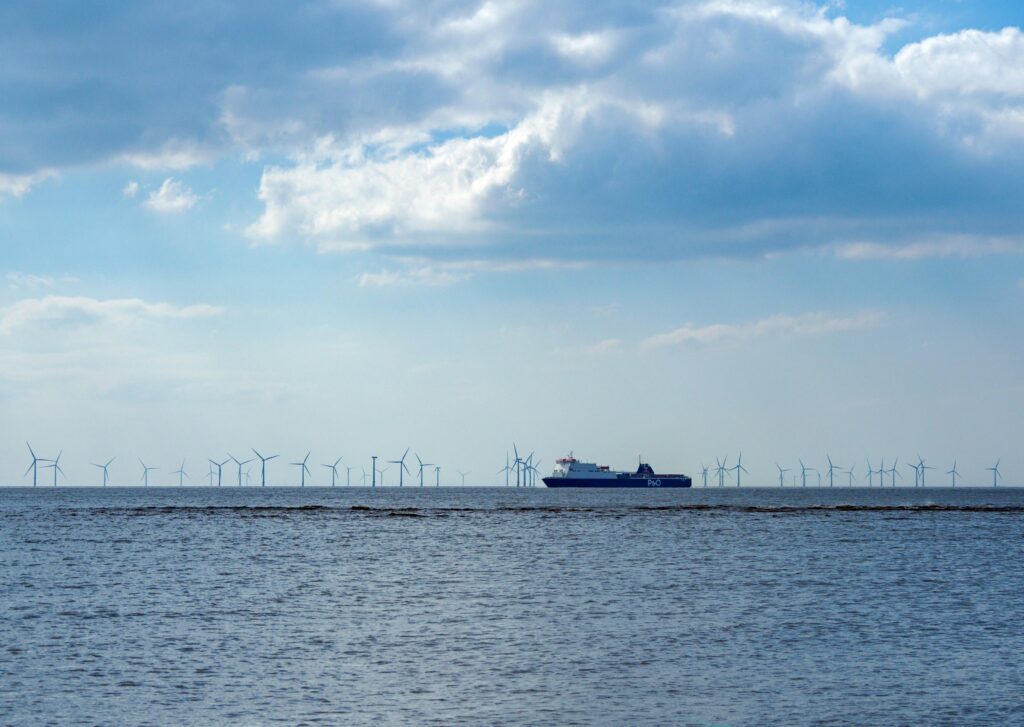
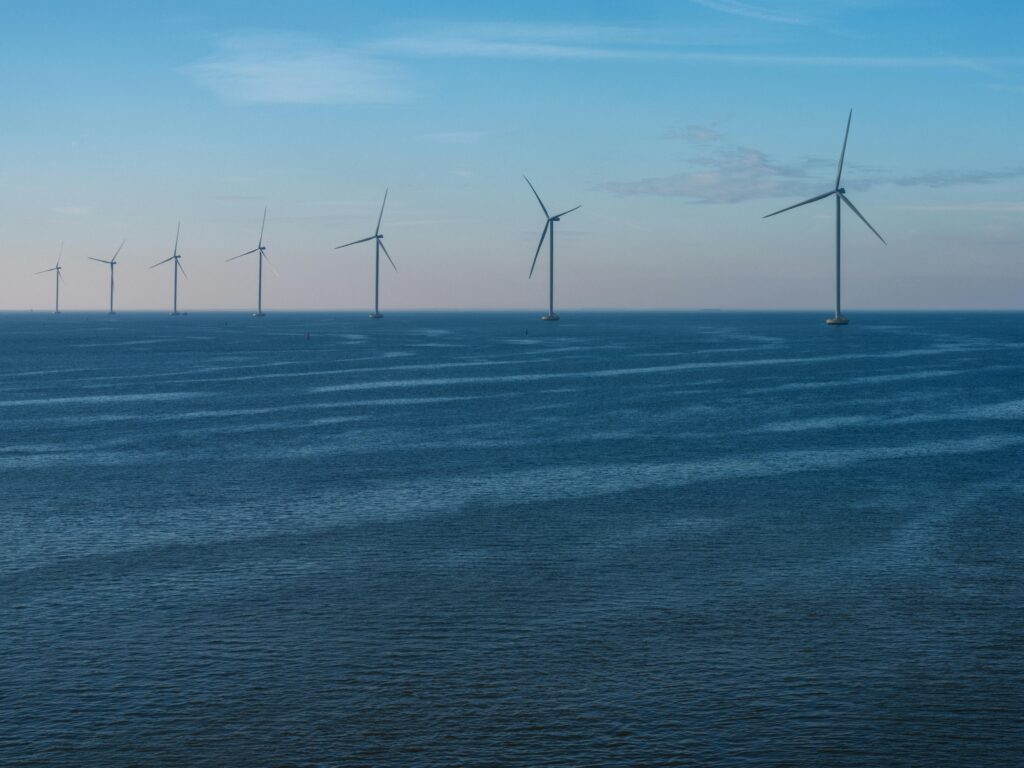
Another significant installation took place in Denmark, which is known for its advancements in wind energy technology. This offshore electric turbine project involved 30 turbines with an approximate budget of $75 million. The main challenge here was the implementation logistics, particularly the transportation of heavy machinery and components to the offshore site. Despite the high upfront costs, the lessons learned included the importance of robust logistical planning and contingency strategies, which are crucial for minimizing unexpected delays and additional expenses.
Lastly, a small-scale installation in rural India aimed to provide electricity for a local community. With a budget of $200,000 for five turbines, this project faced socioeconomic challenges, including securing land and local buy-in. The key takeaway here was the necessity of involving the local community in the decision-making process to foster support and commitment, which ultimately led to enhanced project sustainability.
These case studies underscore the varied costs and challenges involved in electric turbine installations across different environments, providing critical insights for future projects in the renewable energy sector.
Future Trends in Electric Turbine Installation Costs
As the world continues to shift towards renewable energy sources, the installation costs of electric turbines are experiencing a dynamic transformation influenced by a range of emerging trends and technologies. One of the most significant factors contributing to these changes is the advancement in manufacturing techniques. Enhanced production methods, such as 3D printing and automation, are streamlining the fabrication of turbine components, thereby reducing labor costs and material waste. These innovations in manufacturing are likely to lead to lower overall prices for electric turbines, making them more accessible to both commercial and residential consumers.
Moreover, the evolution of installation techniques plays a crucial role in shaping future costs. The introduction of advanced robotics and specialized machinery in the installation process considerably decreases the time and manpower required. These technological advancements not only enhance efficiency but also help mitigate risks associated with human labor, thereby further reducing installation expenses. Additionally, the use of drones for site inspections and monitoring during the installation phase has also emerged as a promising trend, contributing to heightened precision and project management efficiency.
In tandem with these technological advancements, the growing emphasis on sustainability and eco-friendly practices is likely to encourage the development of more efficient electric turbines, which could lower operating costs and improve return on investment over time. As manufacturers focus on creating longer-lasting and more energy-efficient products, the overall cost of ownership may decrease, making electric turbines an increasingly attractive investment for energy producers.
In conclusion, the future landscape of electric turbine installation costs will be shaped by a myriad of factors including manufacturing innovations, advanced installation techniques, and an overarching commitment to sustainability. By keeping abreast of these trends, stakeholders in the renewable energy sector can better navigate the evolving economic landscape associated with electric turbine installations.
Conclusion and Recommendations
In the realm of renewable energy, electric turbines have emerged as a pivotal technology, offering sustainable solutions for power generation. Throughout this blog post, we have examined various factors influencing the costs associated with the installation of electric turbines. Understanding these costs is crucial for potential investors and stakeholders who are contemplating the adoption of this innovative energy solution.
Firstly, it is essential to note that the initial investment for electric turbine installation can vary significantly based on factors such as location, type of turbine, and installation complexity. Additionally, ongoing maintenance and operational costs should also be factored into the overall financial assessment. Thus, a comprehensive financial analysis, including a thorough cost-benefit evaluation, is recommended to ensure a sound investment decision.
Moreover, prospective investors should consider the long-term benefits that electric turbines offer, including reduced carbon emissions and potential grid independence. The positive impact on the environment, coupled with government incentives for renewable energy projects, can enhance the cost-effectiveness of electric turbine installations. Engaging with industry experts and conducting feasibility studies can provide further insights into the viability of such investments.
In conclusion, investing in electric turbines represents not only a financial commitment but also a step towards a more sustainable future. Stakeholders are advised to approach this opportunity holistically, taking into account both immediate and long-term considerations to maximize their investment’s potential. Overall, by carefully assessing costs and benefits, stakeholders can make informed decisions that align with their renewable energy goals.
About the Author